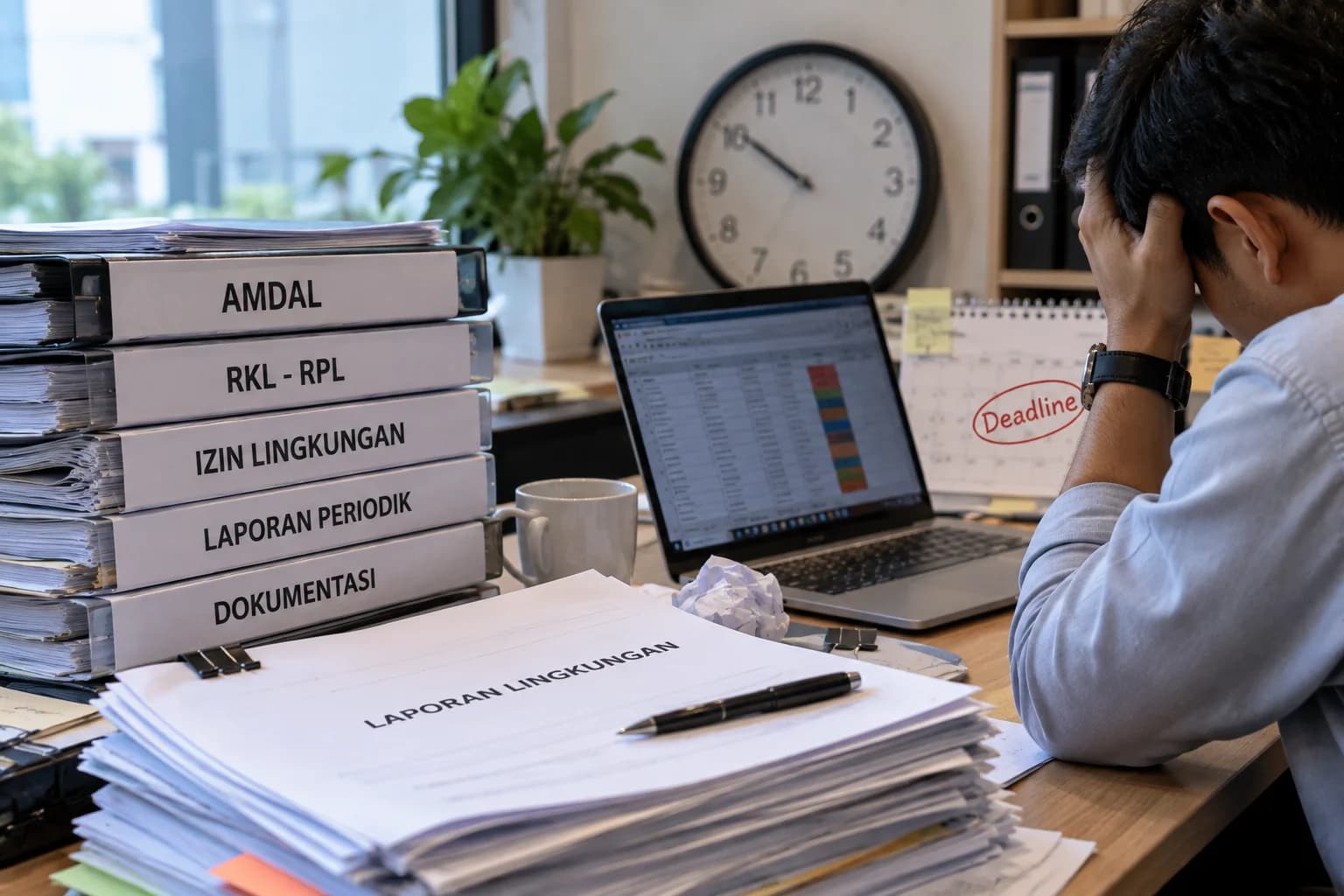

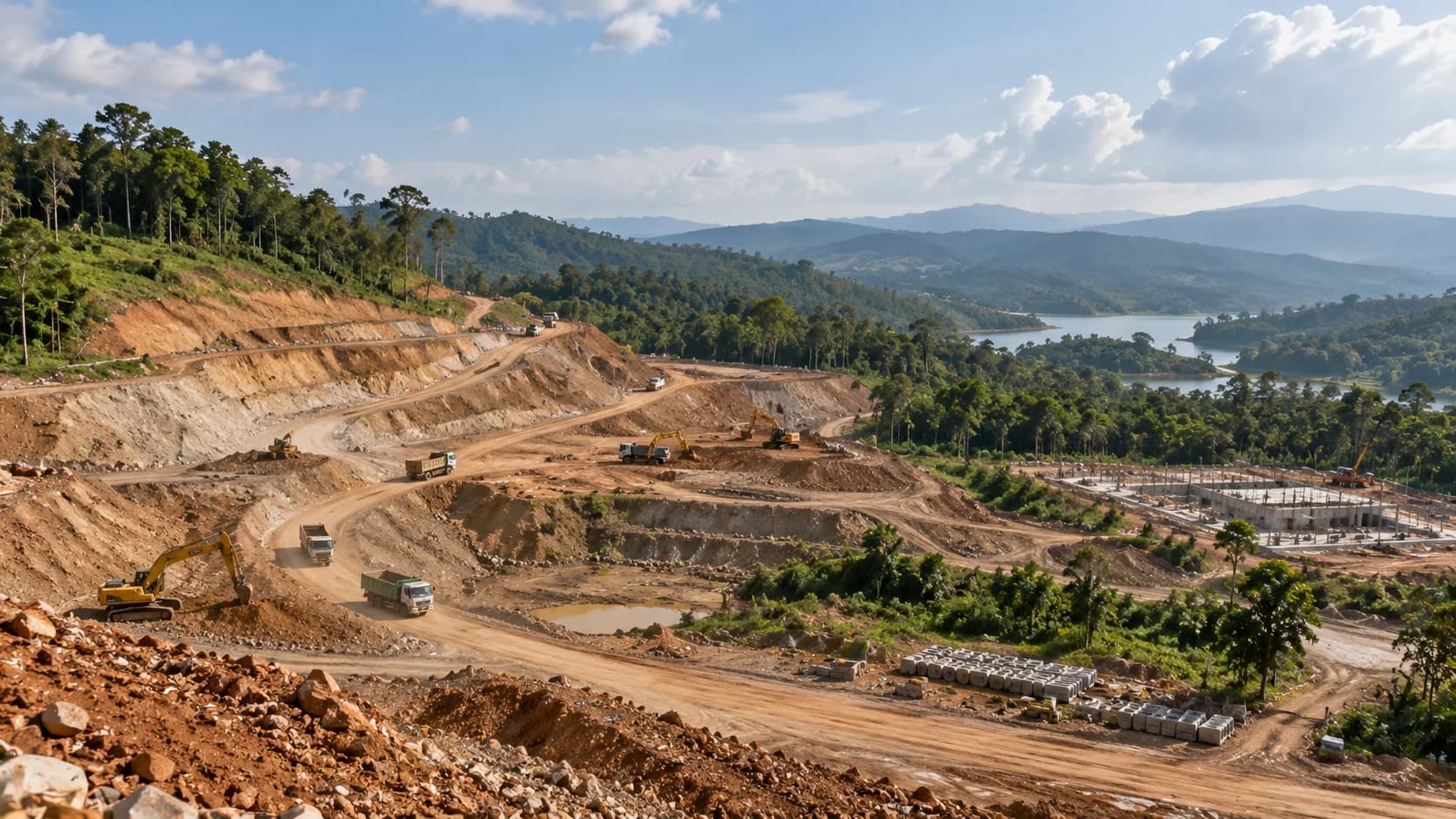
A recurring story: the initial quotation looks reasonable, the budget is approved, work begins. Six months later the actual figure sits well above the quotation, and no single party feels they did anything wrong.
Usually nobody did. What happened is a set of things nobody discussed at the start. Here are the eight most common, with ways to prevent each.
1. The project design changes midway
The number one cause, unchallenged.
An AMDAL assesses impacts arising from a specific design. Capacity changes, layouts shift, raw materials are substituted, and each means part of the assessment must be redone. If the change comes after primary data has been collected, the survey may have to be repeated too.
Prevention: do not begin preparation until the process design is genuinely locked. Delaying a month to confirm a final design is far cheaper than repeating an assessment.
2. More test parameters than assumed
The quotation was built assuming a certain number of parameters. During assessment, the technical team requests additional parameters relevant to site conditions. The laboratory cost lands with you.
Prevention: ask for the assumed parameter list in writing. Then ask who bears the cost if the assessment team requests more.
3. Data required across two seasons
For certain activities, particularly those involving surface water, data must represent both dry and wet season conditions. If this requirement surfaces mid-assessment, it means waiting for the season to change, plus the cost of a second survey.
Prevention: ask at the outset whether your activity type and location require two-season data.
4. Community objections that widen
A public consultation planned as a single meeting becomes a series of meetings, because a group of residents objects and the matter needs serious handling.
This is the least predictable cost addition, and the least wise to economise on. Objections handled carelessly return during assessment carrying more weight.
Prevention: make informal approaches to community leaders before the formal announcement. Understanding their concerns early is far cheaper than confronting them in an open forum.
5. More revision rounds than expected
The contract names two revisions. Reality requires four. The remaining two are invoiced as additional work.
Prevention: look for a clause binding through to issuance of the approval, rather than to a fixed number of revisions. Consultants confident in their documents will usually agree.
6. Technical approvals not in the calculation
The most frequent of all. A budget is prepared for the AMDAL, then wastewater and emissions technical approvals appear, each with its own technical study.
Both genuinely are separate work and reasonably invoiced separately. What is not reasonable is being told only after the contract is running.
Prevention: in the first conversation, ask for a list of every document your activity will need, not only the one being quoted.
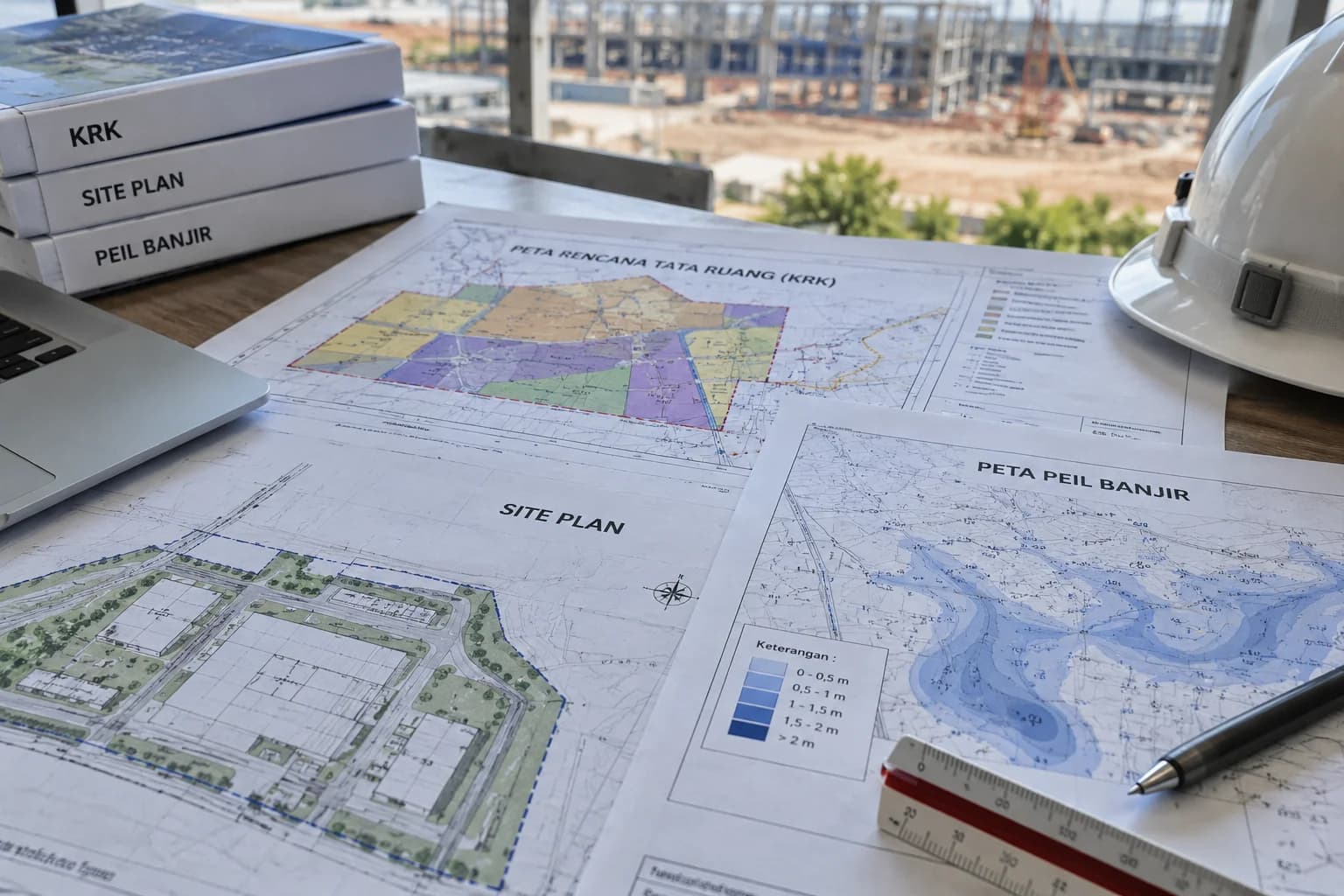
7. Spatial conformity unresolved
Preparation begins while spatial status is still pending. If a problem emerges, part of the work is wasted, or the site must be adjusted and the assessment repeated for a new location.
Prevention: resolve spatial conformity before spending anything on environmental documents. This order must not be reversed.
8. A scope of work with no clear end
The contract says “preparation of an AMDAL document”. The document is completed, handed over, and the work is considered done. But what you needed was the approval decree, and the road there is still long.
Prevention: ensure the contract states the deliverable as issuance of the Environmental Approval, with full support throughout the assessment stages.
Six questions before signing
Does the scope end at document delivery or at issuance of the decree?
Which test parameters are assumed, and who bears the cost if more are required?
How many revision rounds are covered?
Who attends the technical meetings and commission hearings?
Which documents beyond the AMDAL will my activity require?
What happens if my design changes midway?
A consultant who answers all six clearly and in writing has usually already accounted for them. One who answers “we'll discuss that later” should be asked to put it in writing first.
On the quotation that is much cheaper
If one quotation sits far below the others, that is not automatically bad. The scope may genuinely differ, or the team may be more efficient.
The right response is neither to reject nor accept immediately, but to compare contents line by line. How many sampling points, which parameters, how many revisions, where the scope ends, who is on the team.
If after comparison the contents match and the price is lower, take it. If something is missing, you have just saved far more than the price difference.
Need a second opinion on a quotation you are holding? Send a summary of its scope and figures on WhatsApp. We will point out what is not covered, with no obligation afterwards.