
The short answer is six to twelve months.
That answer is accurate, and not much help if you are building a project schedule. A six-month spread is too wide to plan against. What is more useful is knowing where the time goes, and which parts you can actually control.
Breakdown by stage
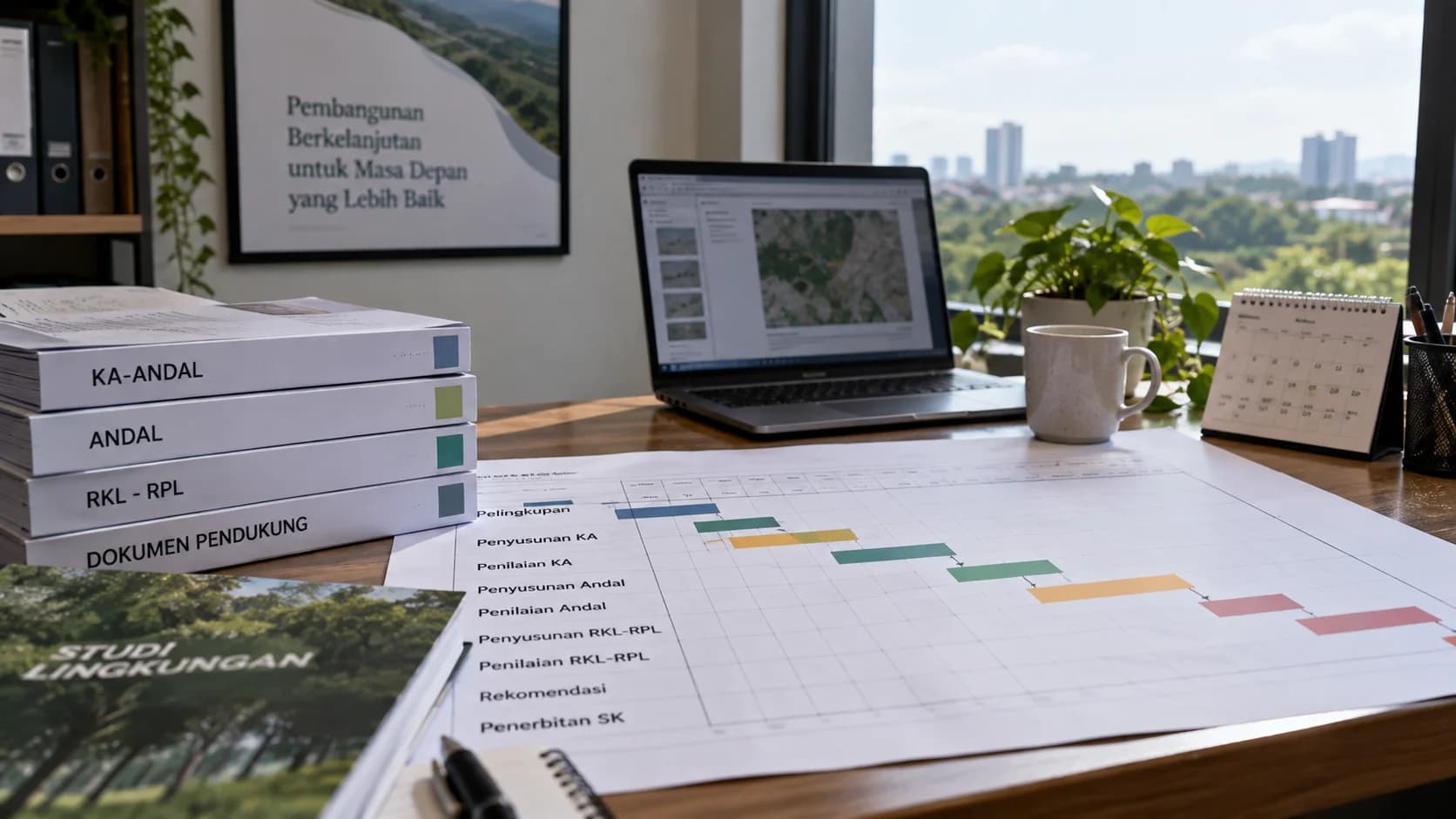
Preparation and screening — 1 to 2 weeks
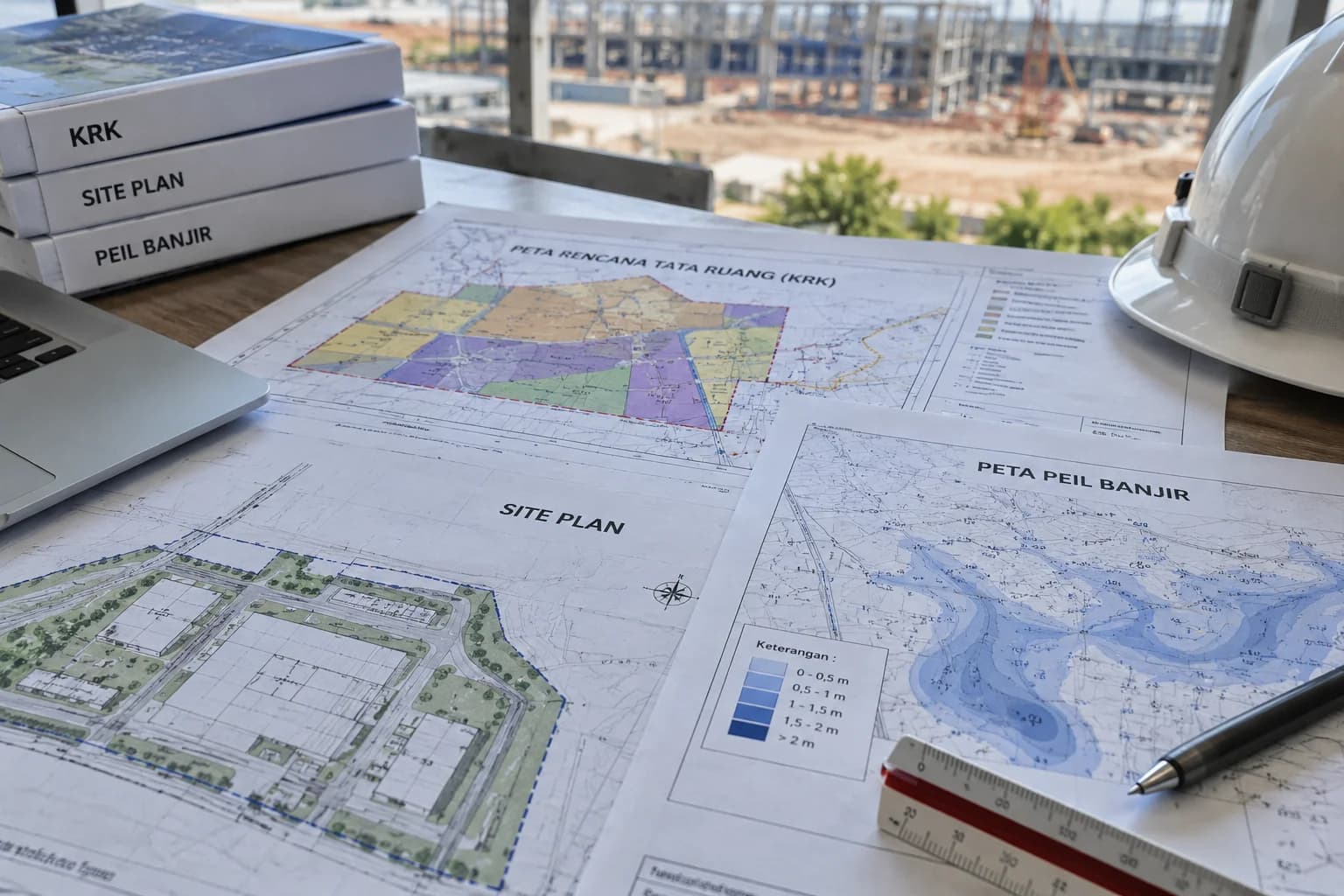
Confirming spatial conformity, gathering technical data on the activity, and running the screening through Amdalnet. This can be very fast if your legal documents and technical data are in order, or drag on for weeks if everything still has to be located.
Scoping and Terms of Reference — 1 to 2 months
Determining which significant impacts will be assessed and how wide the study area will be. This includes announcing the planned activity and holding public consultation with affected communities.
Public consultation is the hardest stage to forecast. Run smoothly, it takes a few weeks. If objections arise that need serious handling, it can run much longer. And handling them hastily almost always returns as a larger problem during assessment.
Primary data collection — 1 to 3 months
Field surveys for air quality, water, noise, biology, and socio-economic data. Then testing at an accredited laboratory, which has its own queue.
Certain activities require data from different seasons. If that requirement exists and is only recognised late, it means waiting for the season to change.
Preparing the analysis and management plan — 1 to 2 months
Analysing data, predicting impacts, and setting out management and monitoring plans. This stage is the most predictable, because it rests entirely with the preparation team.
Assessment by the commission — 2 to 4 months
Technical team meetings, revisions, the appraisal commission hearing, further revisions. Documents rarely pass in a single round, and that is normal.
Duration here depends on two things: the quality of the document submitted, and the hearing schedule in your region. The second is outside anyone's control; the first largely determines how many rounds are needed.
Issuance of the decree — 2 to 4 weeks
Administrative processing once the document is declared adequate.
Five things that most often extend the timeline
The project design keeps changing. The number one cause, and almost always originating on the proponent's side. The document assesses impacts arising from a particular design. If capacity changes or the layout shifts midway, part of the assessment must be redone.
Data from the proponent arrives late. Process flow diagrams, machine specifications, water balance, raw material data. The preparation team cannot invent these. One week of delay here often becomes three weeks at the end, because it disrupts the sequence of other work.
Spatial conformity is unresolved. Some proponents begin an AMDAL while awaiting clarity on spatial status. If a problem emerges, all work stops.
Community objections handled late. Input raised during public consultation and then set aside usually returns during assessment, carrying more weight.
Technical approvals handled separately. Since GR 28/2025 the two can run in parallel. Running them sequentially throws that advantage away.
What you can shorten, and what you cannot
Cannot be shortened: commission hearing schedules, laboratory queues, statutory periods for public announcement and comment, and administrative processing time for the decree.
Can be shortened, with real effect: readiness of technical data at the outset, certainty of design before preparation begins, appointing one person on your side who can make decisions quickly, and running technical approvals in parallel.
One thing to treat with caution: an offer promising an AMDAL completed in two months. Public consultation and commission assessment carry minimum statutory periods that cannot be jumped. A promise like that usually means a stage will not be carried out properly, and that risk attaches to your company, not to the consultant.
Building a realistic project schedule
For planning, use eight to ten months as your central figure, then allow a two-month buffer. Finishing earlier is a bonus. Planning against six months usually means facing schedule pressure in the second half.
Start the process as early as possible, ideally alongside design rather than after design is final. The Environmental Approval is also a prerequisite for building approval, so delay here spreads to every subsequent permit.
If you are building a schedule and need a more specific estimate for your type of activity, send the details on WhatsApp. We will help produce a stage-by-stage projection you can drop straight into your project plan.