
Cost comes up in the first few minutes of almost every conversation. That is reasonable. But an honest answer to that question is never a single number.
What can be given honestly is a range, together with an explanation of what moves the number inside it. If someone quotes a firm price before knowing your type of activity, land area, and project location, treat that as a warning rather than a convenience.
The 2026 market range
For a complete AMDAL document, the range currently circulating in the market runs from roughly IDR 75 million to well over IDR 500 million. It really is that wide, and not because someone is overcharging.
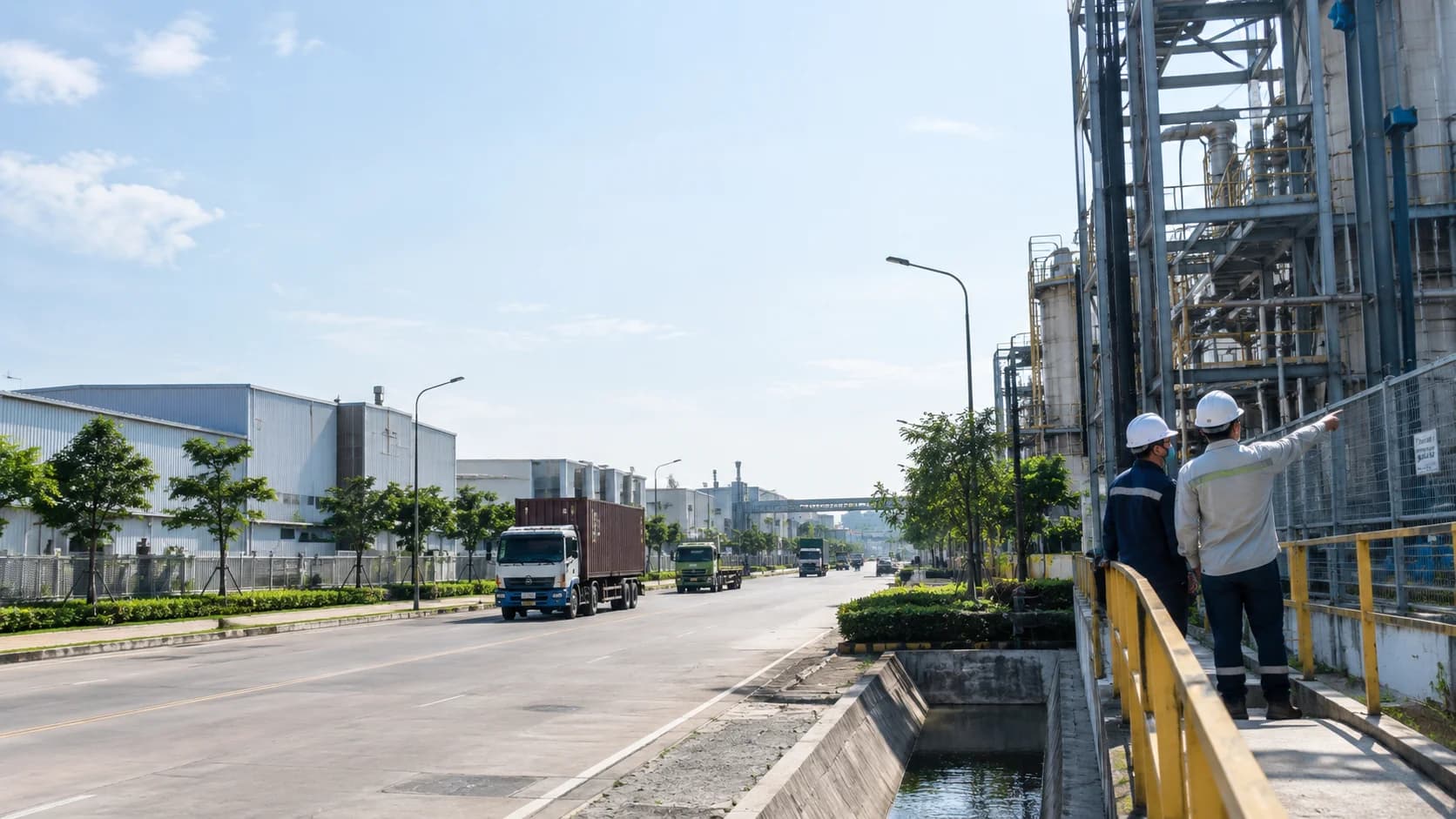
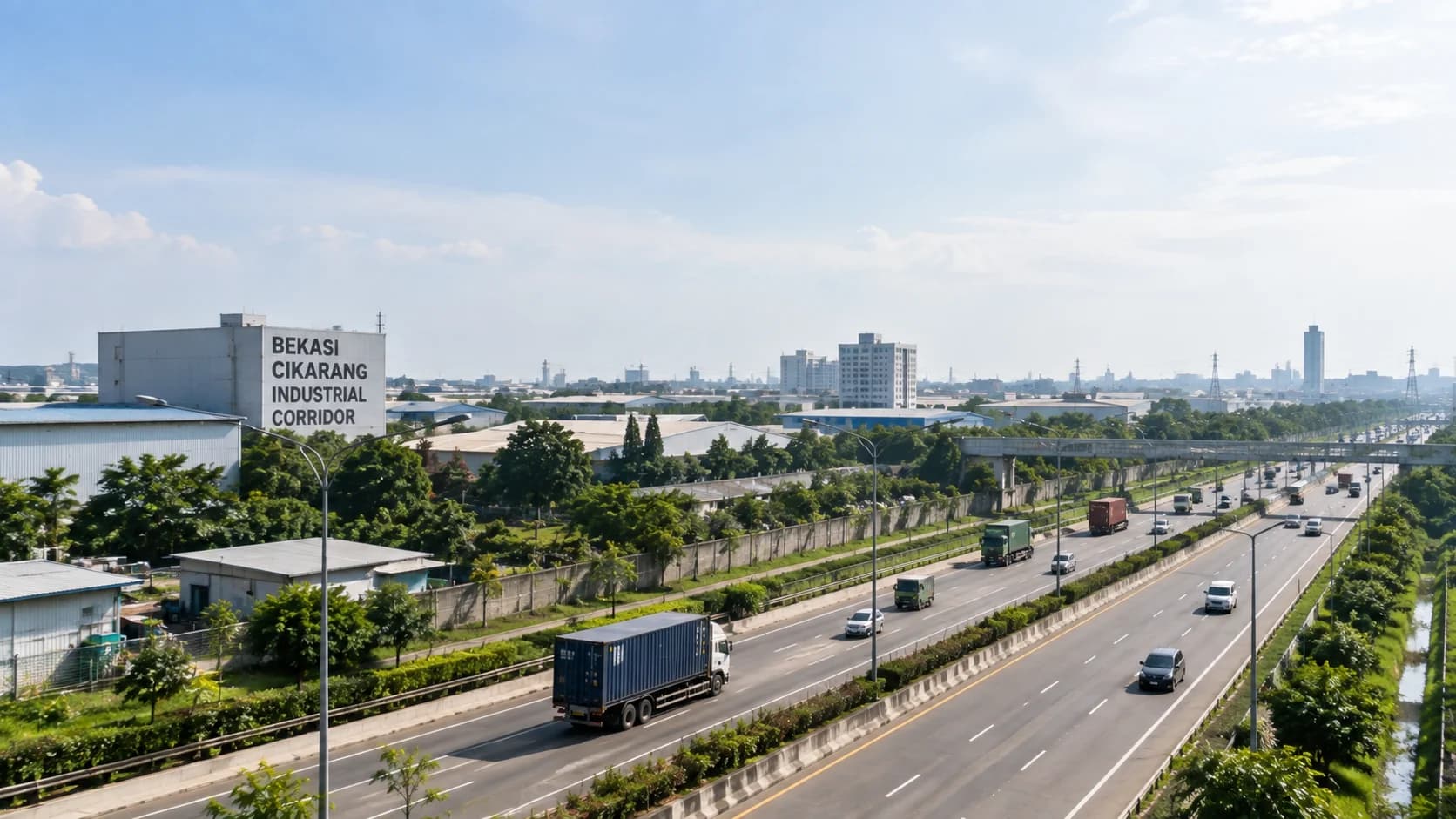
An AMDAL for a distribution warehouse inside an industrial estate, where baseline data already exists, is a different exercise from an AMDAL for a chemical plant near a river that supplies drinking water to a nearby community. The first can be completed with standard sampling. The second requires dispersion modelling, sampling at many points, and a far longer public consultation.
So if you receive two quotations that differ sharply, do not conclude that one is overpriced. Look at what is inside them first.
Where the money actually goes
Field survey and primary data
The largest share, and the one most quietly trimmed to bring a price down. A team must collect data on air quality, noise, surface water, groundwater, flora and fauna, and the socio-economic conditions of surrounding communities.
The number of sampling points drives cost, and that number is driven by the scale and character of the activity's impacts. Remote sites add mobilisation cost. Projects requiring both dry-season and wet-season data add time.
Laboratory analysis
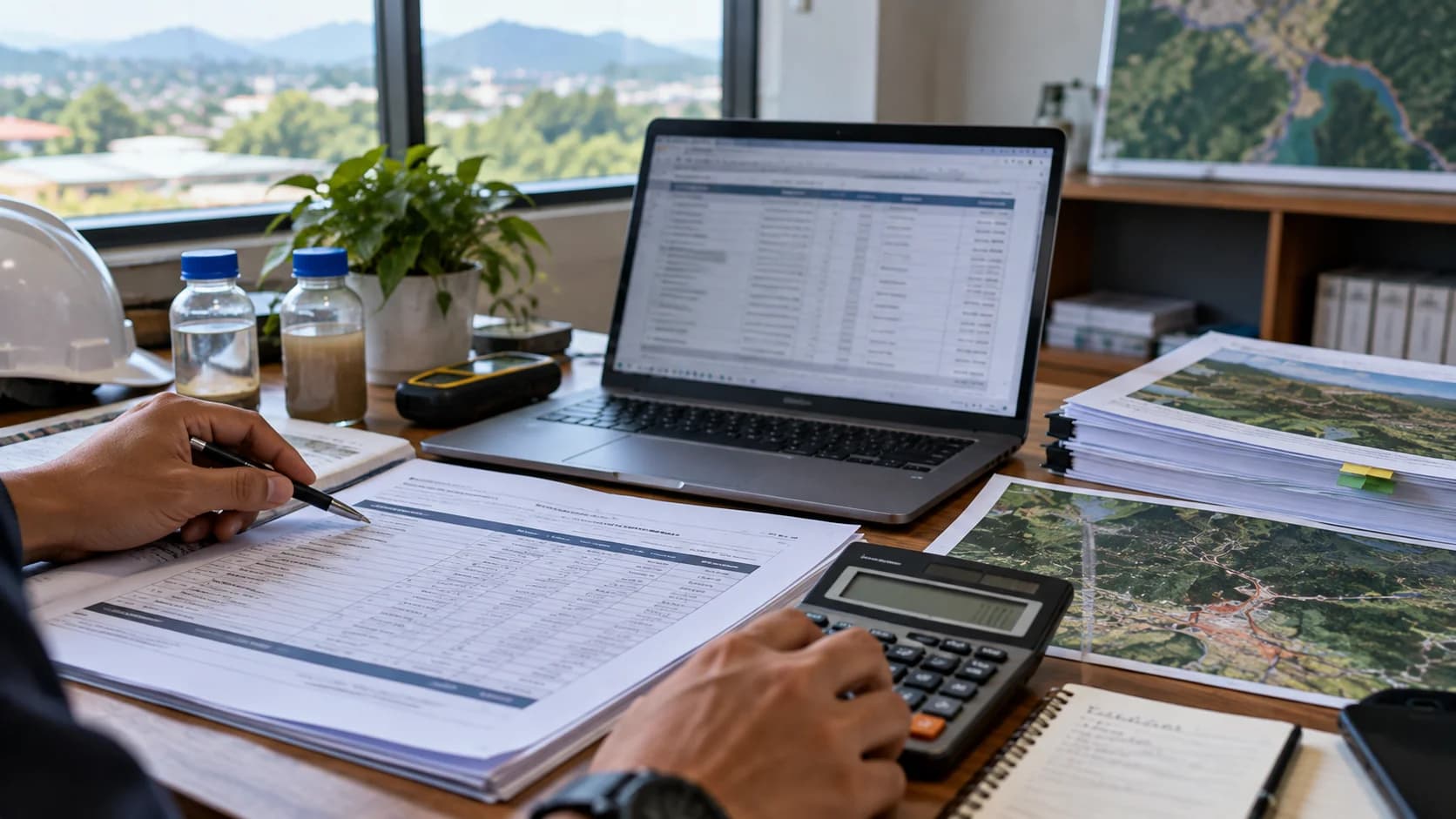
Samples must be tested by an accredited laboratory. Cost is calculated per parameter per sample, and the parameter list is not a matter of preference: it follows the quality standards applicable to your type of activity.
This is where quotation differences often hide. Dropping a few parameters visibly reduces the price on paper and ends with a document returned by the assessment team.
Certified preparation team
An AMDAL must be prepared by certified experts, led by someone holding a competency certificate. This is not a formality: their names and certificate numbers appear in the document and can be verified.
The more complex the activity, the more disciplines the team must cover. Projects with heavy transport need a traffic specialist. Projects touching conservation areas need a biologist. Each addition adds cost.
Assessment and hearings
Technical team meetings, appraisal commission hearings, document revisions, follow-up hearings. Each round consumes the team's time, and time is cost. A carelessly prepared document can come back three or four times, which is why “cheap at the start” so often ends up expensive.
Public consultation
Announcement of the planned activity, meetings with affected residents, handling of comments and objections. For projects directly adjoining settlements, this stage can run for weeks and demands close support.
Six factors that move the number most
Type of activity. Manufacturing generating hazardous waste sits far above services with limited impact.
Area and scale. Determines sampling points and the extent of the study area.
Location. Proximity to dense settlements, rivers, protected areas, or the coastline always raises complexity.
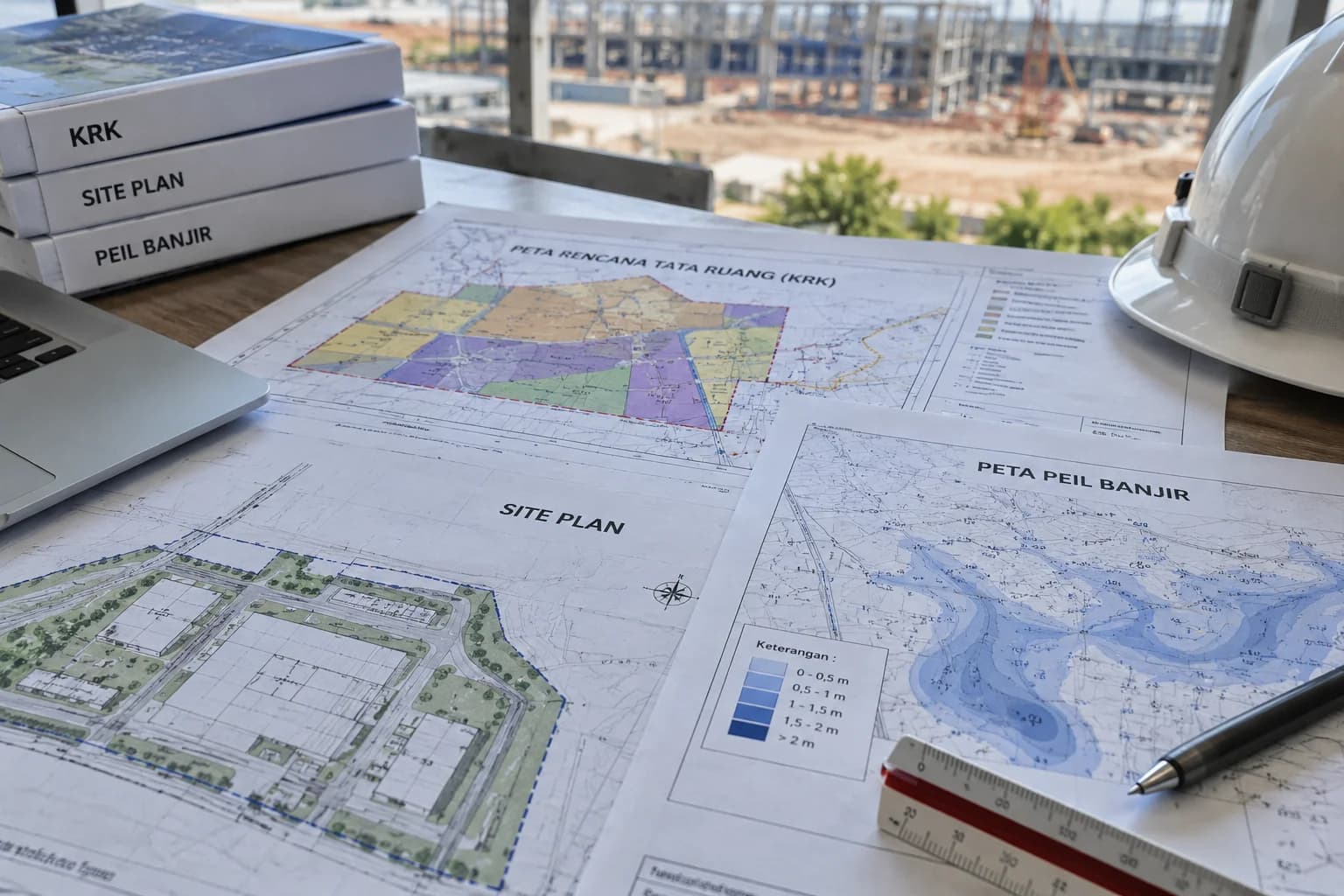
Availability of baseline data. Companies arriving with site plans, process technical data, and tidy legal documents cut the team's working time significantly.
Need for technical approvals. Activities discharging wastewater or emissions require a Pertek, and since Government Regulation 28 of 2025 both can be filed in parallel with the Environmental Approval.
How well your side cooperates. Rarely written into any quotation, but the effect is real. Technical data requested today but delivered three weeks later shifts the entire schedule.
How to read a quotation
A few things worth asking before signing anything:
Are laboratory costs included? These are often separated and surface later. Ask for the list of parameters to be tested, not simply the words “laboratory analysis”.
How many revision rounds are covered? A quotation capping revisions at two deserves a second reading. The assessment process can demand more, and you do not want to be invoiced mid-hearing.
Who attends the hearings? Some consultants hand over the document and disappear. Support during the assessment forum is the part that decides the outcome.
Where does the scope end? At document delivery, or at issuance of the decree? Two very different things.
Who is on the preparation team? You are entitled to know, and their certificates can be verified.
If the budget genuinely is not there
This happens more often than people admit, and there is nothing embarrassing about it.
The sensible first step is confirming that you actually require an AMDAL. Screening through Amdalnet determines whether your activity falls under AMDAL, UKL-UPL, or merely SPPL. More than a few companies have set aside an AMDAL budget only to find the screening result was UKL-UPL, at a fraction of the cost.
If AMDAL is genuinely required, some of the work can be divided. Process technical data, maps, and legal documents can be prepared by your own team. The more complete the material you hand over at the start, the leaner the remaining cost.
What is not advisable is delay. Activities already running without an Environmental Approval face administrative fines calculated from investment value, in the range of 2.5 to 5 per cent. For most projects, that figure exceeds the cost of the document being postponed.
A figure for your own case
The range in this article is useful for setting a rough budget. For a number you can actually work with, only three pieces of information are needed: type of activity, approximate land area, and project location.
Send those three on WhatsApp and you will receive an estimate with its breakdown. If the screening shows your activity does not require an AMDAL, we will tell you plainly. Losing one job is better than preparing a document you do not need.