
Of all the stages in environmental licensing, screening is the shortest and the most consequential. The result appears in minutes, and that result decides whether the next three months or the next year belongs to you.
Getting it wrong cascades. Preparing a UKL-UPL when an AMDAL is required means a rejected document and a restarted process. Preparing an AMDAL when a UKL-UPL would do means burning tens or hundreds of millions of rupiah on something nobody asked for.
Screening answers one question
How significant is your activity's potential impact on the environment?
From that answer, three routes emerge:
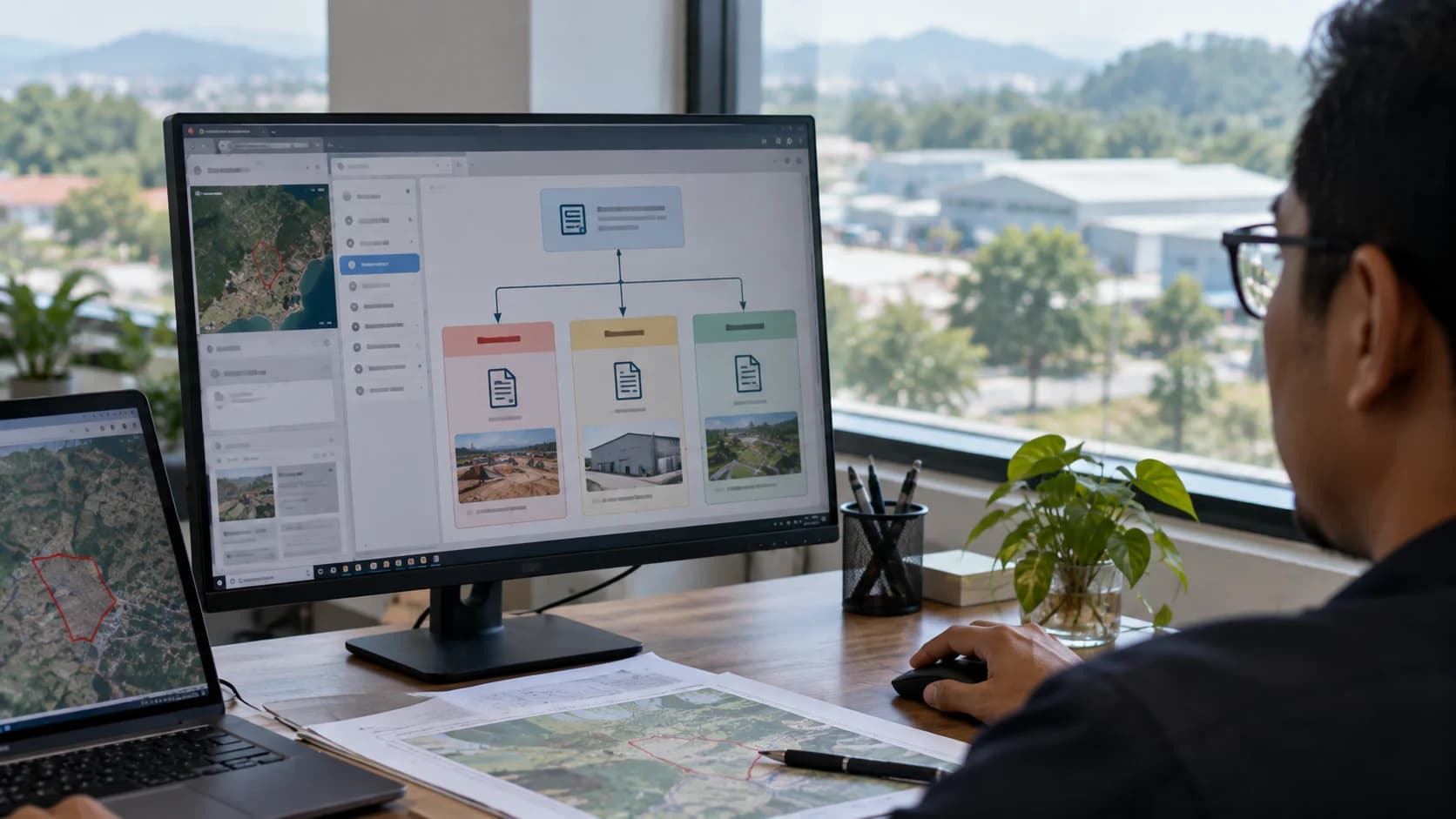
AMDAL for activities with significant impact. The document set comprises Terms of Reference, the impact analysis, and the environmental management and monitoring plan, assessed by an appraisal commission.
UKL-UPL for activities with impact that is not classified as significant. It takes the form of a standard document reviewed by the environmental agency.
SPPL for activities with minor impact. A statement of capability, with no lengthy assessment.
What is often missed: these are not quality tiers. SPPL is not a budget version of AMDAL. They are different instruments for different scales of impact, and using the wrong one works about as well as using the wrong key.
Why it now runs through Amdalnet
Screening used to be done manually against regulatory annexes, and interpretations varied between regions. Two similar plants with comparable capacity could reach different conclusions purely because of where they were located.
Since 1 June 2026, the entire Environmental Approval process must pass through Amdalnet, screening included. The system decides, based on the data you enter. Results are consistent, recorded, and defensible.
The consequence is equally clear: if the data you enter is inaccurate, the screening result is inaccurate too. The system cannot infer what you did not tell it.
Data to prepare before you start
Have this ready so you are not going back and forth:
Your business classification code. Take it from your NIB, not from memory. The code recorded on the NIB is the one that binds.
Scale and production capacity. Real figures, not marketing figures. Installed capacity differs from planned output, and the system asks for something specific.
Land area and building area. Two different numbers, frequently swapped.
Site coordinates. Not the address, the coordinates. The system uses these to check whether your location intersects protected areas, river buffer zones, or disaster-prone areas.
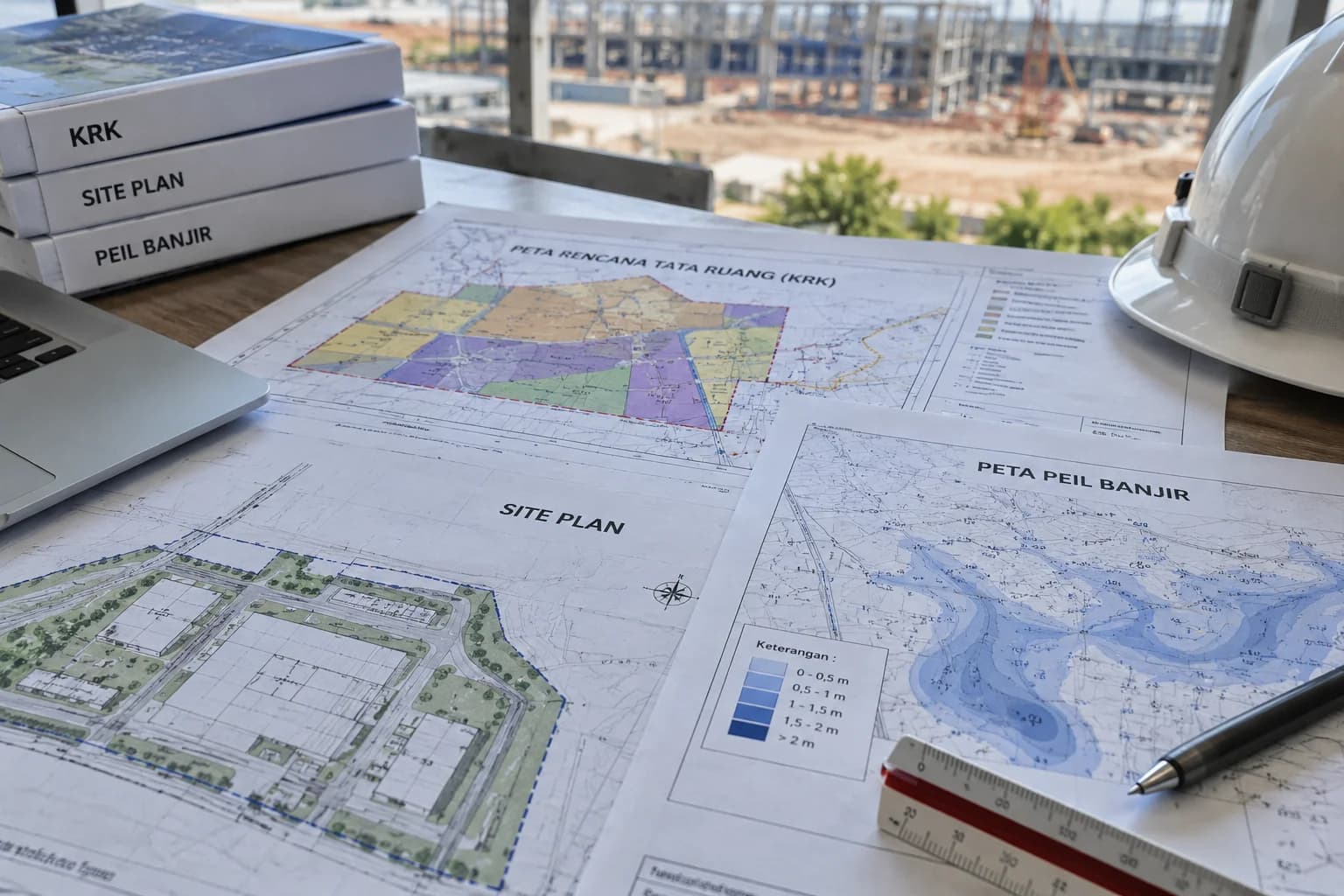
Spatial conformity. Your KKPR document. If the site does not match its designated use, screening is not your main problem.
Waste management plans. Whether wastewater is discharged to a water body, whether there are stack emissions, whether hazardous waste is generated. These three affect screening and also determine whether you need a technical approval.
Why results often differ from expectations
The site turns out to be in a sensitive area. The most common cause. An owner calculates that the activity falls under UKL-UPL based on scale, then finds the site sits within a river buffer zone or borders a protected area. Locational criteria can raise the obligation regardless of how small the activity is.
Capacity entered too low. The temptation to enter conservative figures to land in UKL-UPL is real. But recorded capacity becomes your operating ceiling. Exceeding it means amending the Environmental Approval, with additional cost and time.
Supporting facilities not counted. Generators, boilers, hazardous waste storage, wastewater treatment plants. All are part of your activity and all enter the assessment.
Multiple activities on one site. Where several types of activity operate at one location, screening considers them together rather than only the largest.
If the result says AMDAL and you expected UKL-UPL
Do not rush to re-enter smaller figures. That shortcut leads to a larger problem later, because screening data is checked against actual conditions during supervision.
The sensible move is to verify that what you entered was correct. Worth rechecking: whether the area entered was land area or built area, whether the capacity used was installed capacity or planned output, and whether the coordinates genuinely mark the activity site.
If it still comes back as AMDAL after that, then that is what is required. Better to know at the start, while the budget can still be adjusted, than midway through construction.
One thing that gets forgotten
A screening result is not a single-use document to be filed away once the decree arrives.
Every time your activity changes materially — added capacity, a changed production process, an expanded building, a new line — your position in the screening changes with it. That change has consequences for the environmental document you hold.
Companies that routinely reconcile actual conditions against their documents rarely face surprises during supervision. Those that do not usually discover the gap when a warning letter is already on the desk.
Need a second reading?
You can run the screening yourself, and you probably should, so that you understand where your company stands. But if the result is confusing or far from what you expected, a second reading usually saves considerable time.
Send your business classification code, activity scale, and project location on WhatsApp. We will help interpret the screening result and explain its consequences before you spend anything.