
Building a factory is a long undertaking, and the environmental licensing part is almost always underestimated at the start. Not because owners do not care, but because the question looks simple: is a UKL-UPL enough, or do we need an AMDAL?
What complicates it is that no single factor decides the answer.
Four determining factors
1. The type of industry
This is the starting point. Some industries fall under mandatory AMDAL almost by definition, because of the character of their impacts: basic chemicals, metal processing, pulp and paper, cement, oil refining, tanneries.
Assembly, packaging, garments, or mid-scale food production generally stop at UKL-UPL, provided nothing else pushes them higher.
2. Production capacity
Even within one industry there are thresholds. A small textile plant is treated differently from a textile plant with a large dyeing unit.
Worth noting: the figure used is installed capacity, not first-year production plans. Many get this wrong, entering a conservative opening figure and running into trouble when output rises two years later.
3. Land area
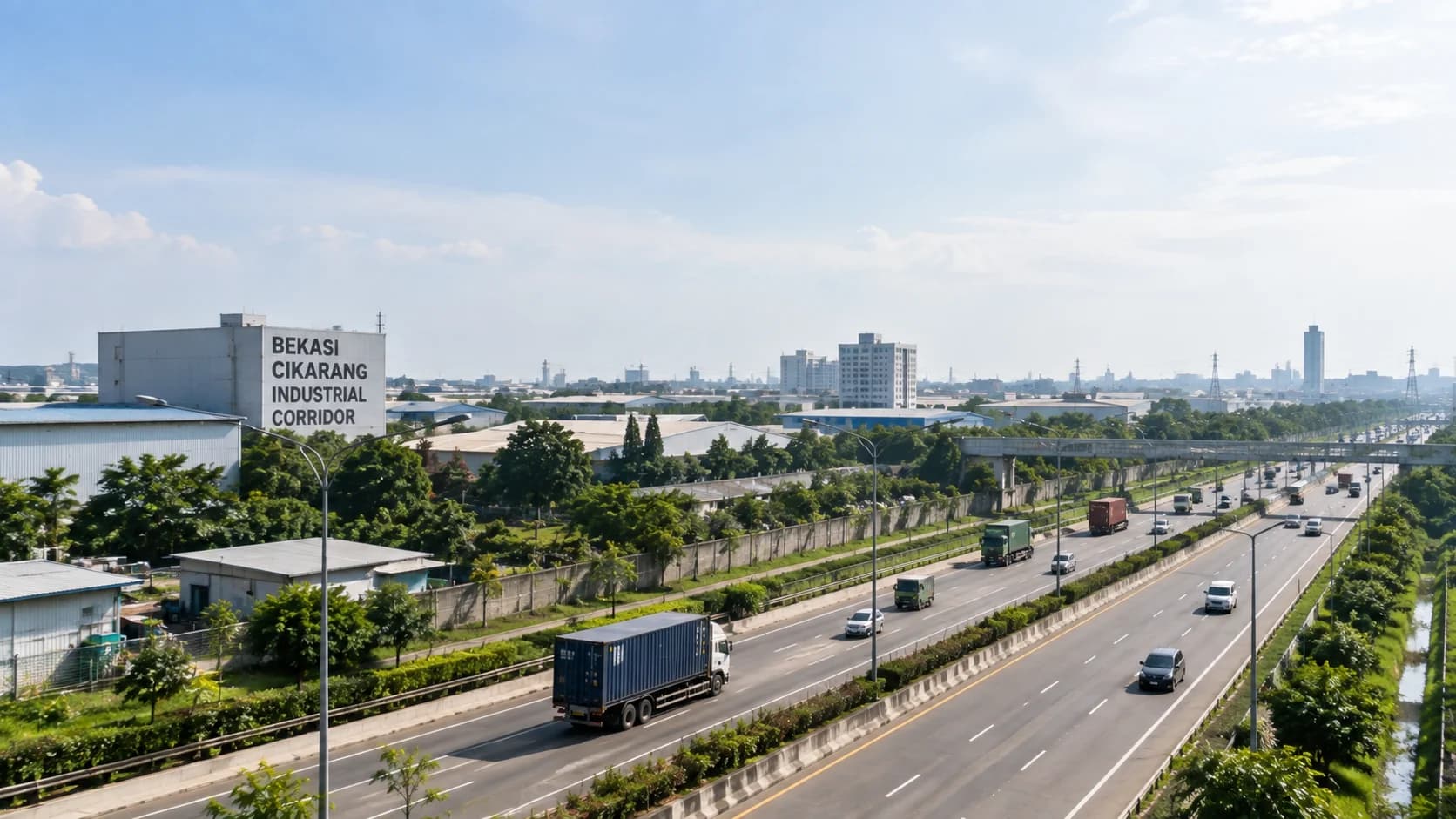
General area thresholds apply to industrial activities, with additional provisions where a plant is built outside an industrial estate. A plant inside an estate that already holds its own environmental document usually faces a lighter process, because part of the assessment is covered by the estate document.
4. Location
The factor that most often overturns expectations. An activity that by scale requires only a UKL-UPL can become subject to AMDAL if it sits within a protected area, a river buffer zone, a water recharge area, or directly adjoins dense settlements.
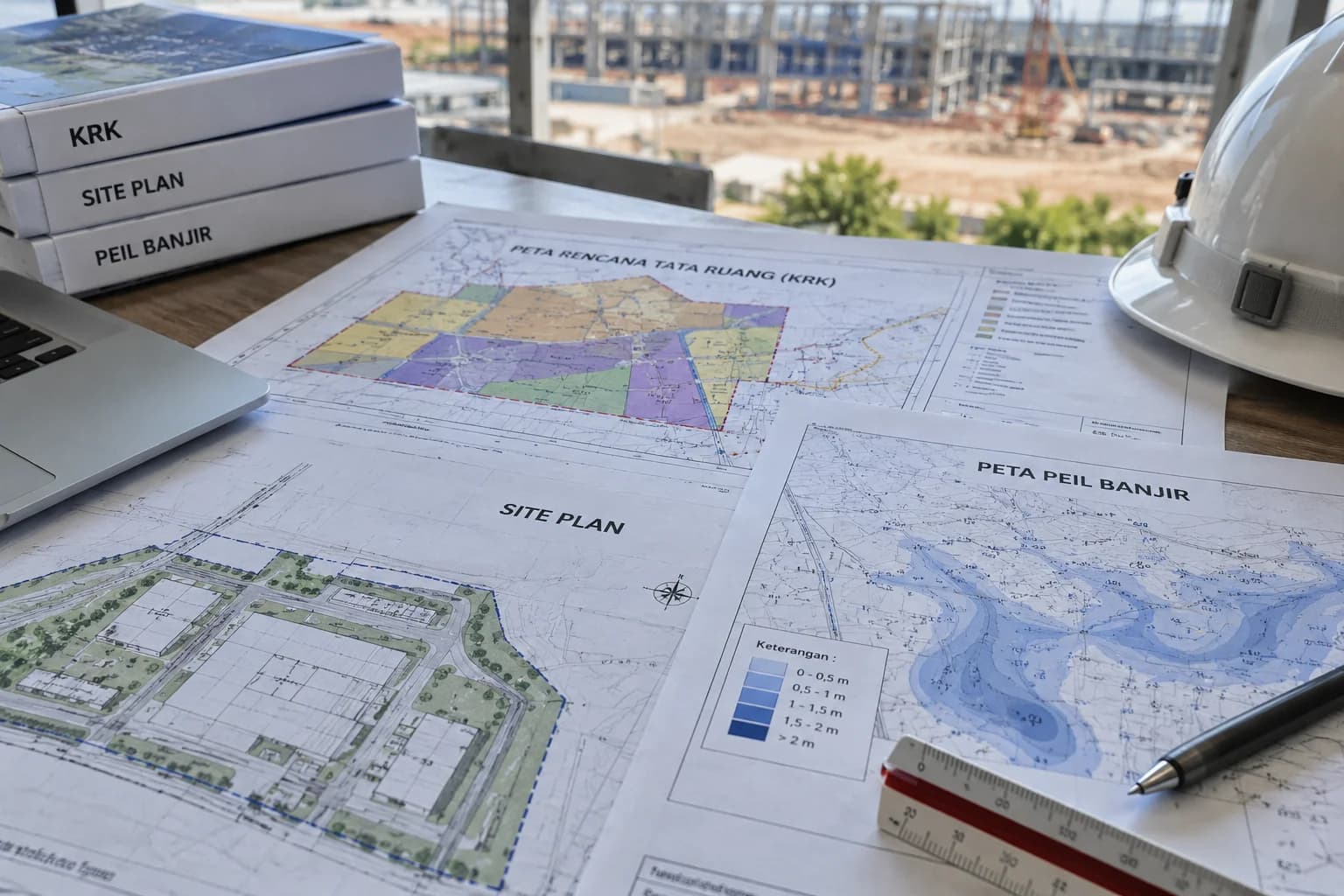
This is why screening through Amdalnet asks for coordinates rather than an address. The system checks them against area maps.
What separates the two in practice
| Aspect | AMDAL | UKL-UPL |
|---|---|---|
| Document form | Terms of Reference, impact analysis, management plan | Standard UKL-UPL form |
| Prepared by | Certified expert team | May be prepared by the proponent |
| Assessment | Appraisal commission | Review by environmental agency |
| Public consultation | Mandatory and structured | Not mandatory |
| Realistic timeline | 6–12 months | 1–3 months |
| Primary data | Extensive, multiple seasons | Limited |
That timeline row is what hits the business plan hardest. Six months between AMDAL and UKL-UPL is not a matter of patience but of when the plant can start producing and when the investment begins returning.
Derivative documents almost always missed
This is where licensing budgets go wrong most often. An Environmental Approval is not a single document. For a factory, there is almost always more:
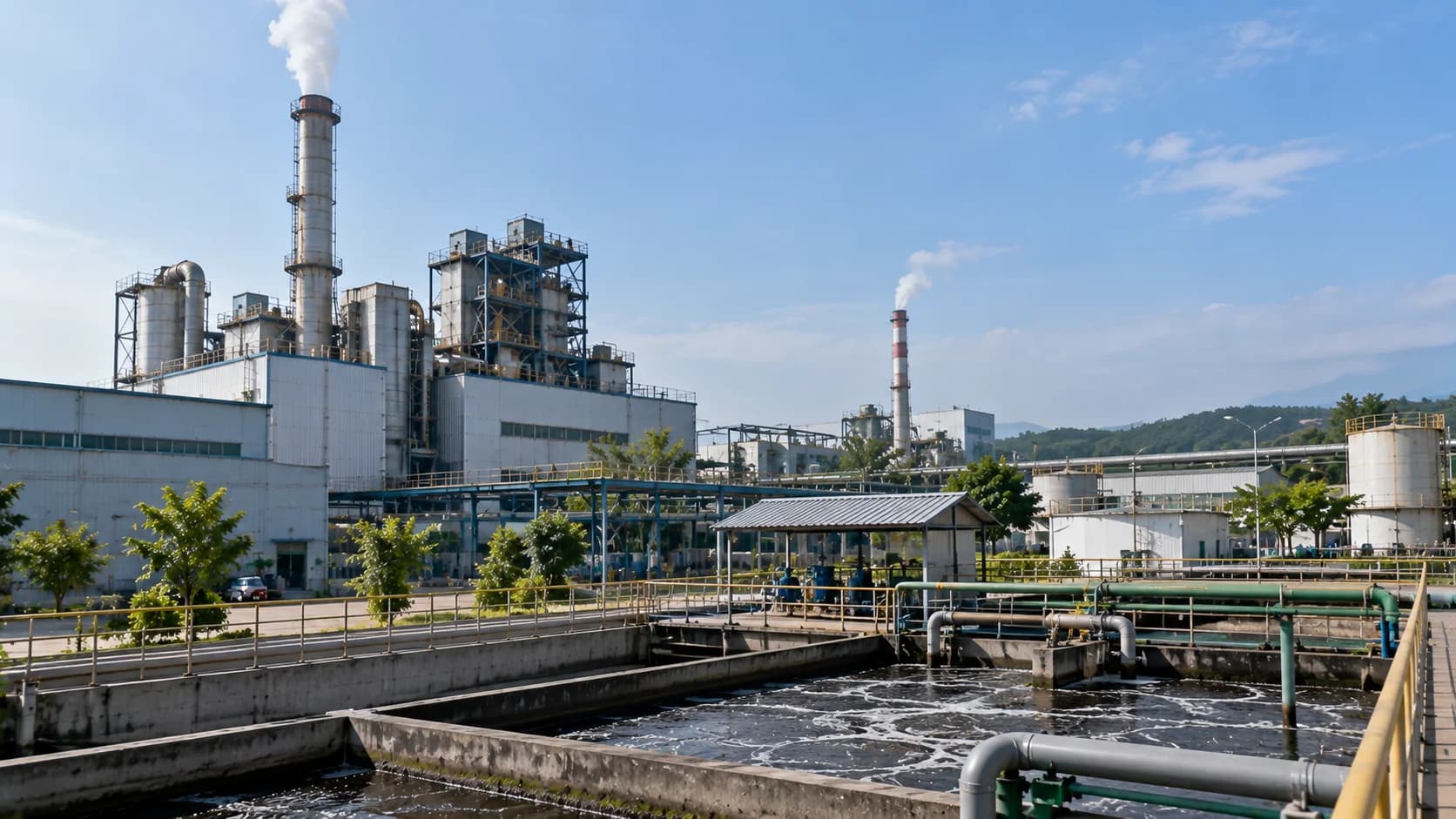
Technical approval and operational certificate for wastewater, if process wastewater is discharged to a water body or drainage system.
Technical approval and operational certificate for emissions, if there are stacks from boilers, large generators, ovens, or furnaces.
Technical specifications for hazardous waste storage, and nearly every factory generates some: used oil, contaminated rags, spent lamps, batteries, chemical residues.
Traffic impact analysis, if trip generation crosses the threshold, which factories with daily truck movements usually do.
Building approval, which requires the environmental document to be settled first.
The good news is that since Government Regulation 28 of 2025, the Environmental Approval and technical approvals can be filed in parallel. Previously they ran in sequence, adding months.
A sequence that saves time
If the project has not started, this order tends to avoid rework:
Confirm spatial conformity first. Before anything else. Land whose designated use does not permit the activity cannot be rescued by any environmental document.
Run the screening in Amdalnet. Free, fast, and it determines your entire budget and schedule.
Finalise the production process design. Environmental documents assess impacts arising from a process. If the process keeps changing, the document changes with it, and mid-assessment revisions are expensive.
Prepare the environmental document alongside its technical approvals. In parallel, with one team, so that figures in both do not conflict.
Only then pursue building approval and its derivatives.
The costliest mistake is reversing steps three and four. Documents are prepared against an initial design, the design changes for technical or budgetary reasons, and part of the work must be redone.
If construction has already begun
This situation is more common than people assume, particularly on projects chasing production targets.
What matters to understand: an Environmental Approval is fundamentally a planning document. It is assessed against a planned activity, not a standing one. Where buildings already exist, the route changes and generally leads to DELH or DPLH, with administrative sanctions to be settled first.
That is not a dead end, but it is clearly more expensive and slower than handling it upfront. If you are in this position, the sooner it is addressed the smaller the fine, because the calculation runs with time.
The fastest way to know where you stand
Three pieces of information are enough for a reasonably accurate picture: the industry type with its classification code, installed capacity, and the plant's location.
Send those three on WhatsApp. We will help determine whether AMDAL or UKL-UPL applies, along with the list of derivative documents you need to budget for. Knowing the full list at the start beats discovering it one item at a time once the project is running.