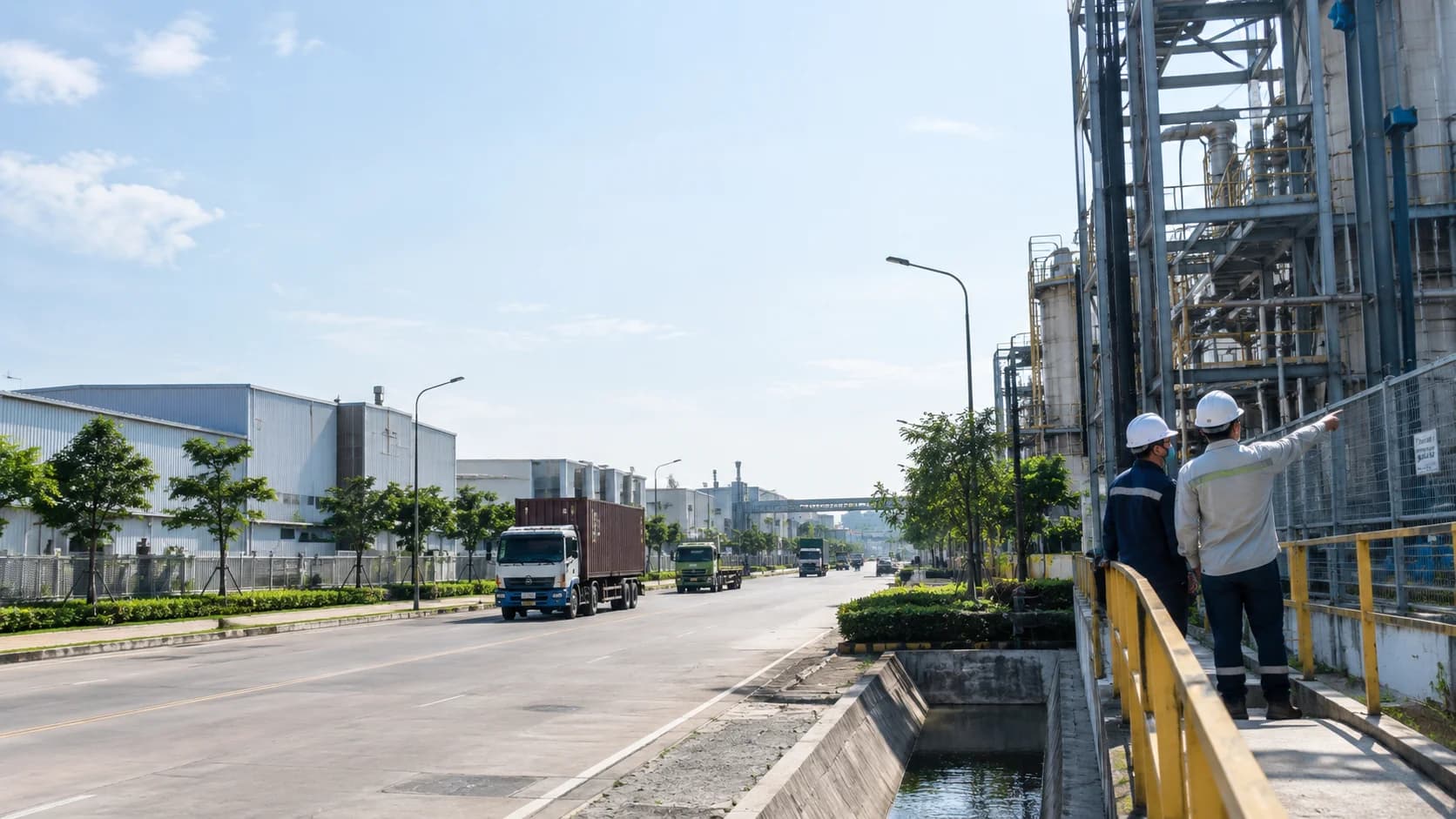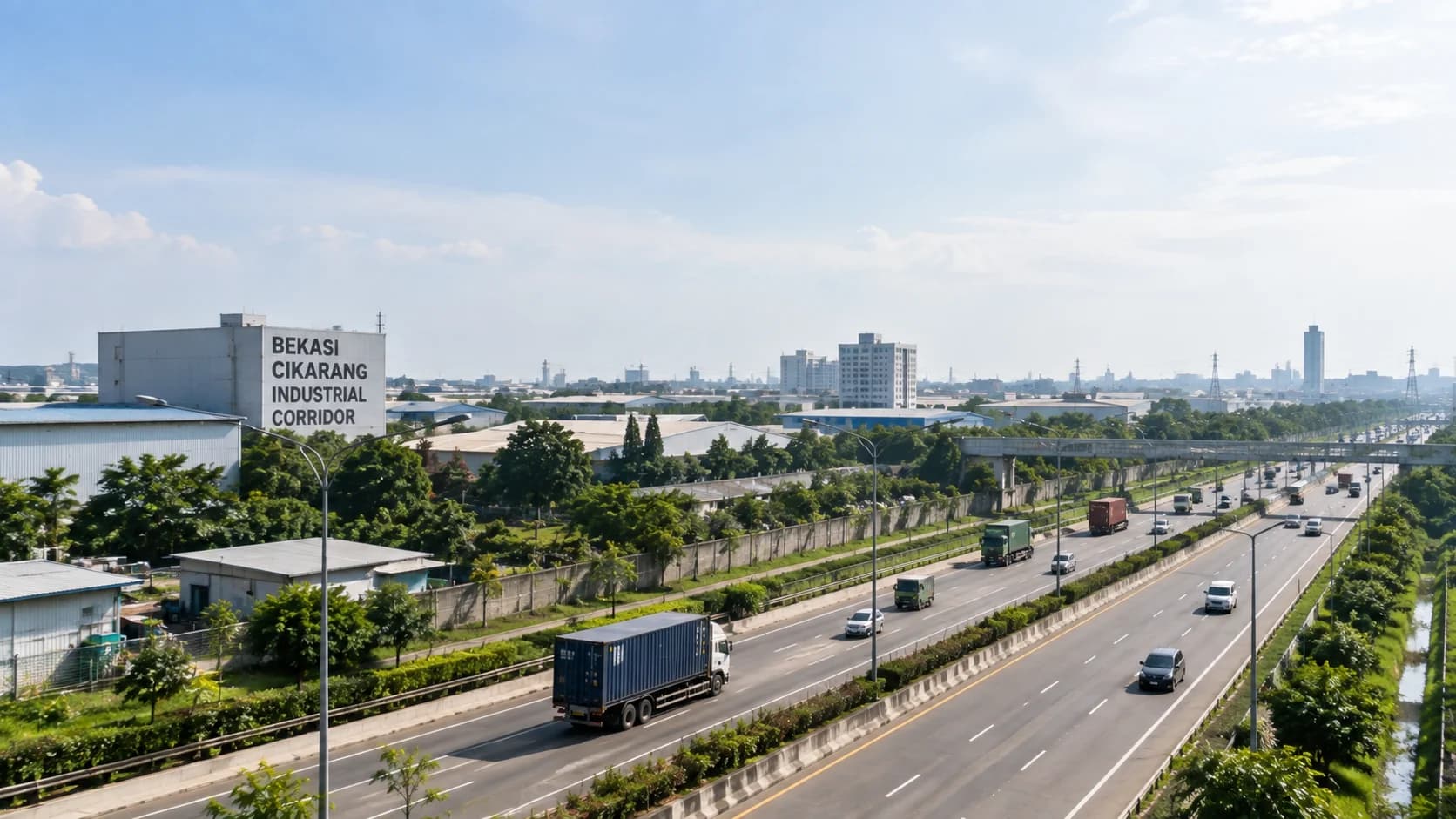

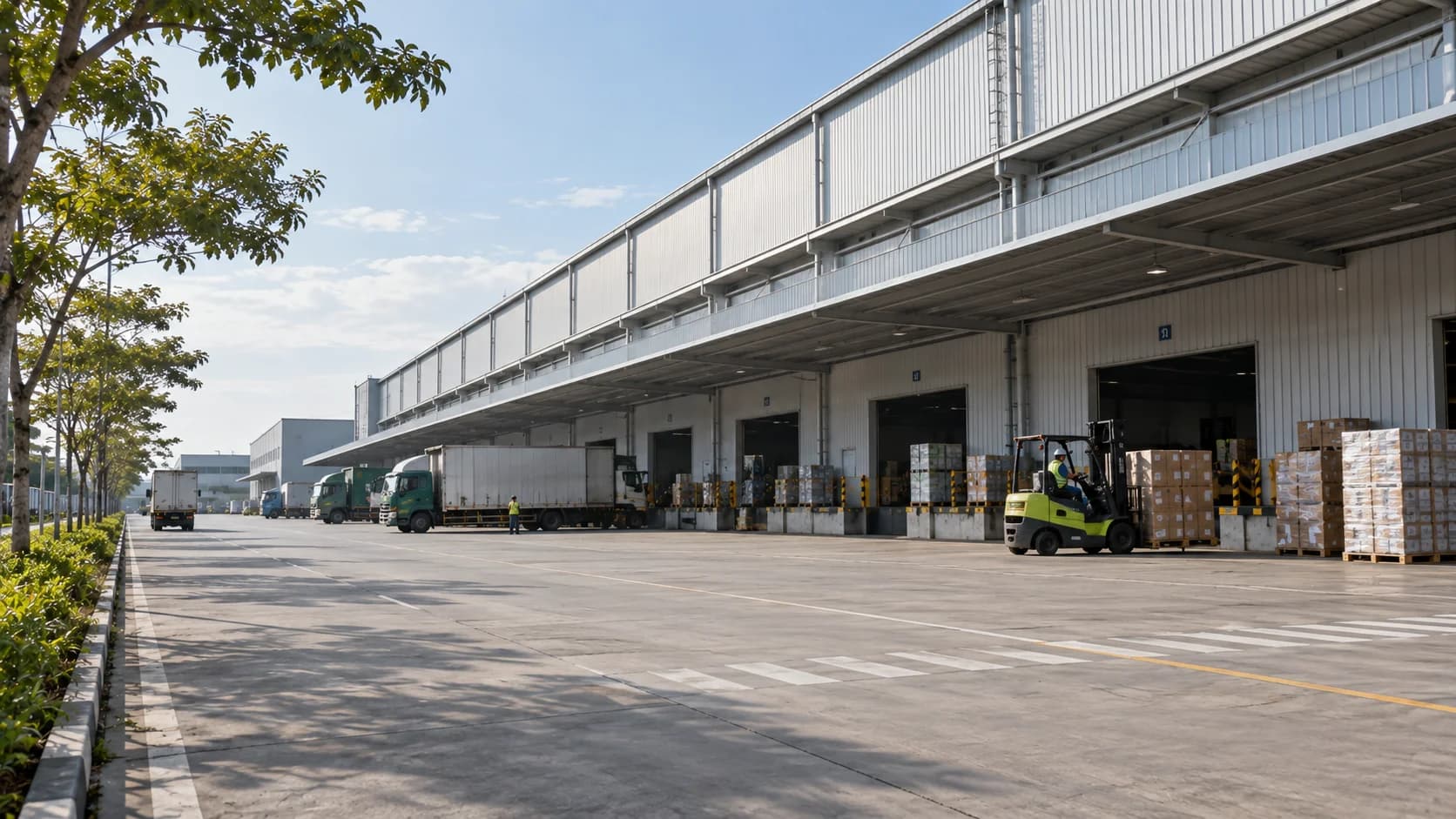
Of all the activity types we handle, warehousing is the one whose documentation is most often underestimated. The reasoning is sound enough: no production process, no stacks, no process wastewater. Just storage.
Until two things change the picture: what is stored, and how many trucks come and go.
Ordinary warehouses versus those that raise the bar
A warehouse storing non-hazardous finished goods, of moderate size, in an area zoned for it, generally stops at UKL-UPL. For genuinely small operations, an SPPL can be enough.
What raises the obligation:
Goods classified as hazardous and toxic. Chemicals, lubricants, paint, pesticides, pressurised gases. Their storage carries specific technical requirements and can trigger the need for hazardous waste technical specifications.
Large floor area. Area thresholds apply to warehousing activities, and modern warehouses running to tens of thousands of square metres frequently cross them.
Cold storage. Large-scale refrigeration raises questions about energy use and the refrigerants employed.
Additional activity inside. Many warehouses also repack, carry out light assembly, or wash containers. Once a process exists, the operation is no longer simply storage.
Sites outside designated warehousing zones. A warehouse standing directly alongside settlements faces very different considerations.
The one most often forgotten: traffic
This is the part that catches warehouse owners out later.
Distribution warehouses generate high traffic volumes, particularly trucks. If that generation crosses a certain threshold, your activity must prepare a Traffic Impact Analysis.
This is not part of the environmental document. It is a separate document, with a separate process, at the transport agency, and it is frequently a prerequisite for building approval. Discovering it midway means unbudgeted time and cost.
For a warehouse with dense daily truck movements, assume the analysis is required until proven otherwise, rather than the reverse.
A realistic list of requirements
For a mid-scale distribution warehouse in an appropriately zoned area, expect roughly the following:
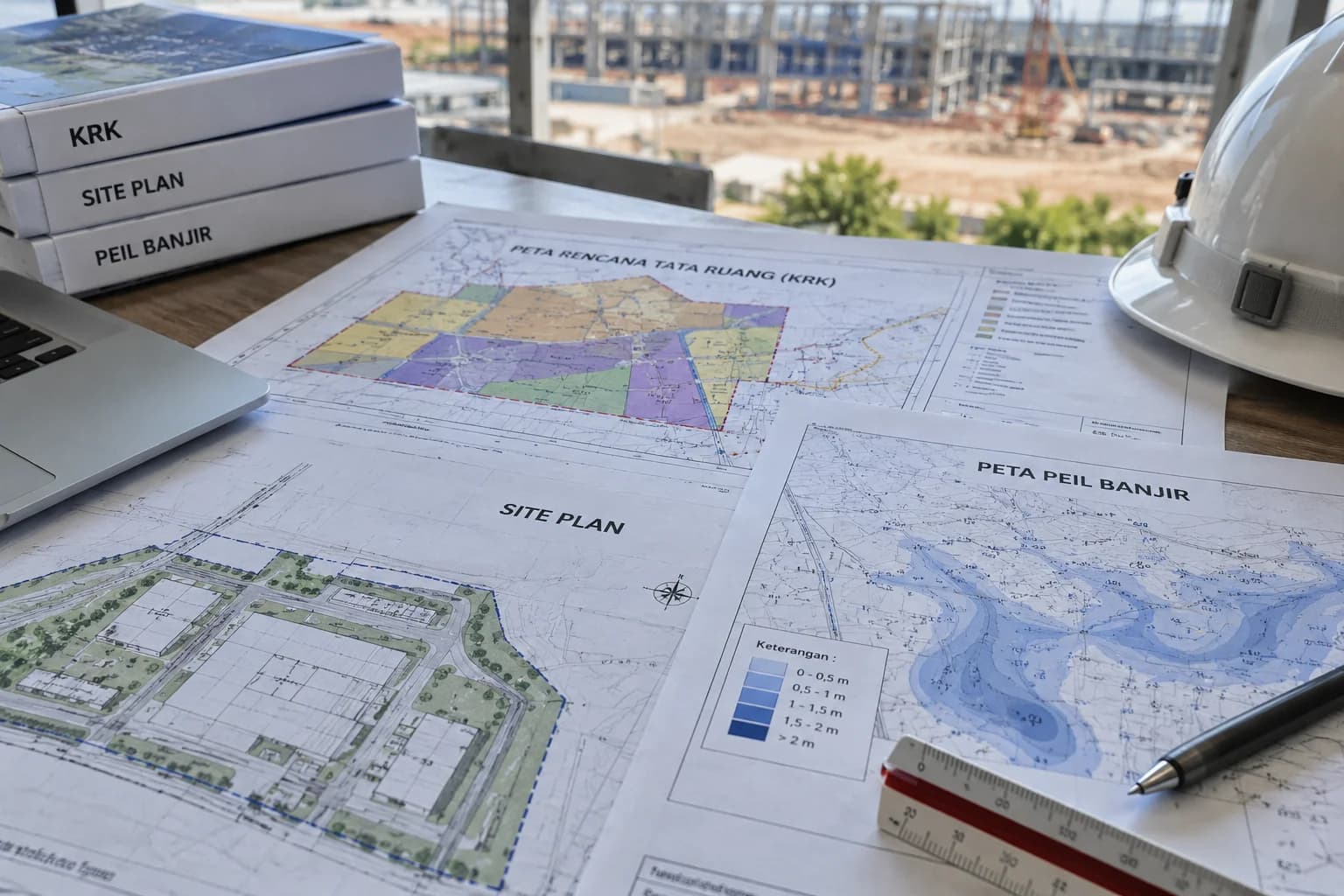
Conformity of spatial use. The starting point for everything.
Environmental document. UKL-UPL in most cases, SPPL for small operations.
Traffic impact analysis, if trip generation crosses the threshold.
Technical specifications for hazardous waste storage, and do not conclude too quickly that there is none. Warehouses still generate used forklift oil, spent batteries, and used lamps.
Building approval for the structure, plus a certificate of functional worthiness before it is put into use.
Flood level certificate, which in many regions is a prerequisite for building approval on large structures.
Wastewater is usually domestic only, from toilets and canteens, and can be handled by a compliant septic system without a technical approval. Unless washing activities are involved.
A sequence that saves time
The costliest mistake on warehouse projects is starting construction while licensing is still running, on the assumption that documents will follow.
An Environmental Approval is a planning document. If the building stands before the approval is issued, the route changes to DPLH with administrative sanctions attached. For a project chasing a tenant's occupancy deadline, that delay costs far more than the time it was meant to save.
The safe order: confirm spatial conformity, run the screening, prepare the environmental document alongside the traffic analysis, then building approval, then build, then the functional worthiness certificate.
Leased warehouses and existing buildings
This situation carries its own complications. If you lease a warehouse that already stands, its environmental document is usually in the building owner's name and reflects the previous occupant's activity.
If your activity differs from what is recorded — say the building was previously used for finished goods and you intend to store chemicals — that document does not protect you. What is assessed is the activity actually taking place, and responsibility rests with whoever carries it out.
Before signing a long lease, ask for a copy of the building's environmental document and check it against your intended use. That half-day of checking has saved more than one tenant from years of trouble.
A quick check for your project
Four pieces of information are enough to determine the direction: warehouse area, type of goods stored, estimated trucks per day, and whether the site sits inside or outside a designated warehousing zone.
Send all four on WhatsApp. We will help determine exactly which documents you need, including whether a traffic impact analysis applies. Better to have the complete list at the start than to add to it once construction is under way.