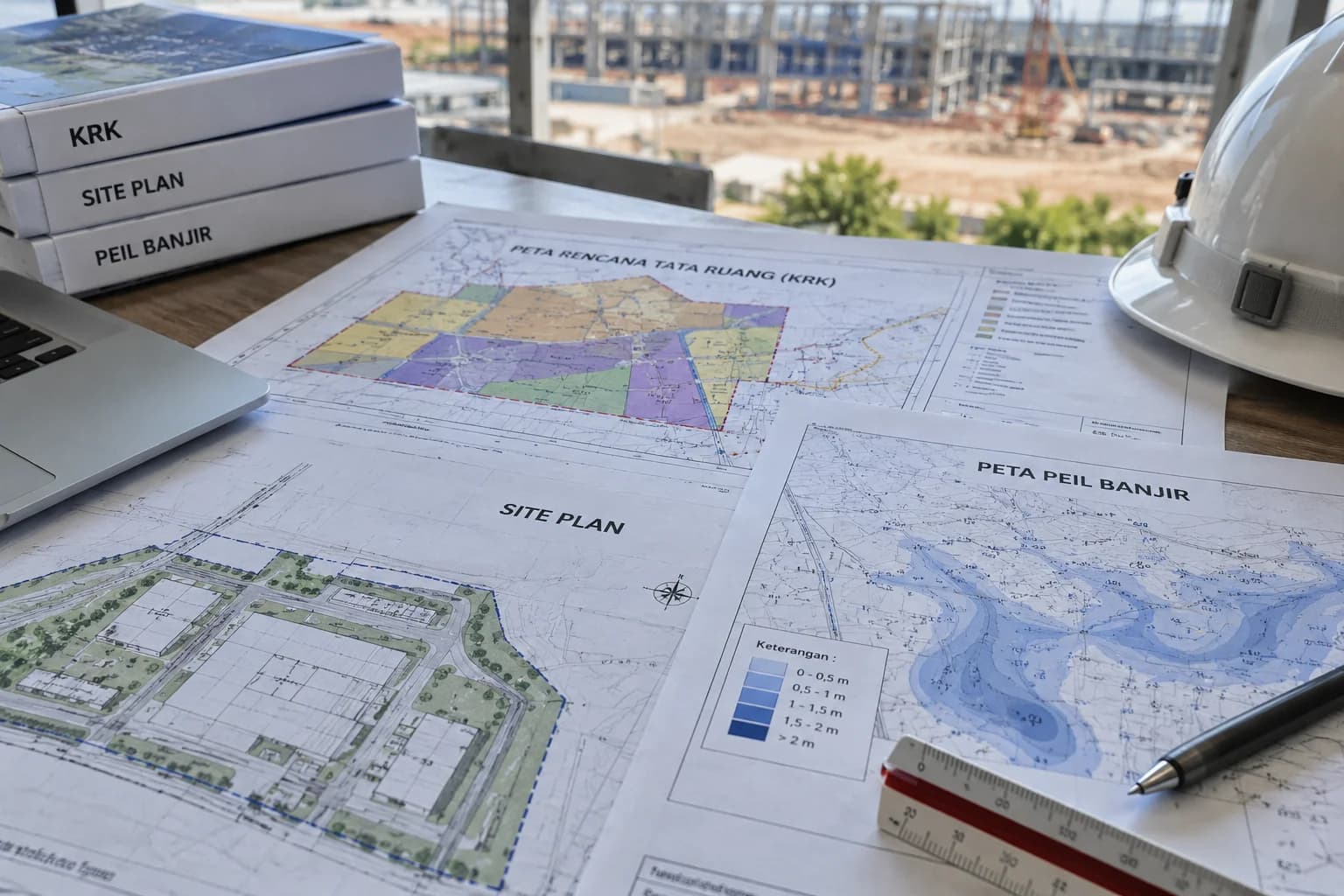


An Environmental Approval is not a once-in-a-lifetime document. It describes your activity at one point in time, at a particular capacity, area, and process.
The problem is that healthy companies do not stay at that point. Capacity rises, machines are added, warehouses are extended, new product lines open. The document remains the old one.
The gap between the two eventually becomes a problem, and it usually only becomes visible during supervision or when the company needs something from someone else.
Six common triggers
1. Increased production capacity
The most frequent trigger. The document states a capacity of so many tonnes per year; actual output is well beyond it.
It helps to understand that the capacity in your document is not a target but a ceiling. Operating above it means part of your activity runs without approval, and that holds even if impacts on the ground remain controlled.
2. Expanded buildings or land
Adding a warehouse, constructing a new block, extending production areas. The area assessed in the document is the area approved.
3. Changed production process
Replacing technology, changing raw materials, altering the process flow. A changed process changes the character of its impacts, and the old assessment no longer describes reality.
Worth watching: even changes that reduce impact must be reported. Switching to a cleaner fuel is good news, but it still alters your emissions calculations.
4. Added activity types or classification codes
A company adds a new classification code to its NIB, moving for example from trading only to also carrying out processing. The existing environmental document does not cover the new activity.
A mismatch between the codes on the NIB and the coverage of the environmental document is now visible from the system, without anyone visiting the site.
5. Changed waste management
Altering how wastewater is discharged, adding a stack, changing the third party that handles hazardous waste, or adding a storage facility. All form part of the commitments recorded in your document.
6. Changed ownership or legal entity
The one most often dismissed as purely administrative. When a company changes its name, alters its legal form, or is acquired, the attached Environmental Approval must be adjusted so that it remains valid in the correct holder's name.
Not all changes carry equal weight
The good news is that not every change demands a document rebuilt from scratch.
Administrative changes, such as a change of company name or responsible person, follow a relatively light and quick process.
Changes with no environmental effect, such as internal layout adjustments that add neither capacity nor area, can generally be handled through a simpler notification mechanism.
Changes with environmental effect, such as meaningful capacity increases or process changes, require reassessment. For AMDAL holders this usually takes the form of an addendum to the analysis and management plan.
Deciding which category applies is not a judgement to make casually, because classifying a change as lighter than it is means the change still counts as unapproved.
Why leaving it is risky
Beyond sanction risk, several situations bring the gap to the surface at the worst possible moment:
Applying for financing. Bank due diligence checks installed capacity against licensing documents.
Selling or admitting an investor. Buyer due diligence almost always finds it, and findings like this depress transaction value.
Entering a large corporate supply chain. Many principals require environmental compliance audits of their suppliers.
Processing other permits. Renewals of derivative permits can be held up because the underlying document does not match.
Community complaints. An inspection triggered by one complaint rarely stops at the matter complained about.
The habit that keeps it from accumulating
Companies that rarely have trouble here usually apply one simple practice: every planned change is checked against the environmental document before it is implemented.
Not after the machine is purchased. Not after the building stands. Before.
An annual review comparing actual conditions against the document's contents also helps considerably. One page is enough: does capacity match, does area match, do classification codes match, does waste management match. Once a year, filed.
If the gap has already grown wide
This happens naturally in fast-growing companies, and there is nothing to hide about it.
The first step is mapping the gap honestly: what the document states against what actually operates today. From that map, the appropriate form of amendment and how to handle it can be determined.
Resolving it voluntarily, before any finding, almost always produces a lighter process.
If you are unsure whether a planned or completed change requires an updated document, send an outline of the change on WhatsApp. Determining the category first is far cheaper than implementing a change and learning later that your document does not cover it.