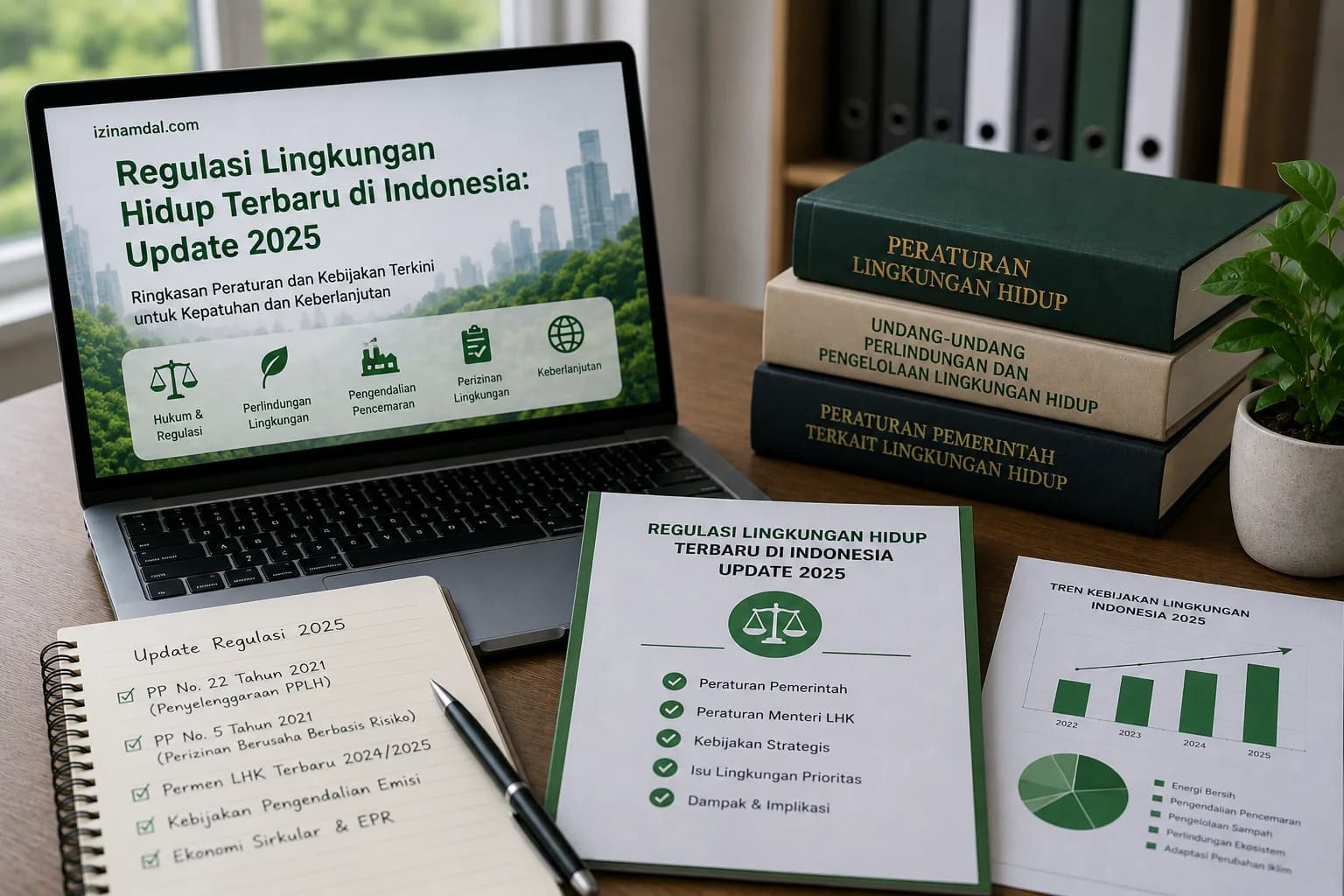


Government Regulation Number 28 of 2025 took effect on 5 June 2025, replacing Government Regulation 5 of 2021 as the parent rule for risk-based business licensing.
For businesses, regulatory change usually reads as bad news: new procedures, new forms, new adjustments. This time the direction is largely the opposite. Here are the five changes that are felt most in practice.
1. Document type follows risk level, not just a list
The risk-based licensing framework uses an activity's risk level to determine both the type of licence and the intensity of supervision. The same logic applies to environmental documents: the document type is determined by the risk level and potential impact of your activity.
High-risk activities are required to prepare an AMDAL. Those below follow instruments proportionate to their impact.
The practical consequence: guessing your obligation from the type of business alone is no longer adequate. Scale, location, and the character of impact all contribute, and screening becomes a stage that cannot be skipped.
2. Environmental Approval and Technical Approval can be filed in parallel
This is the change with the greatest effect on project schedules.
Previously the sequence was linear. A technical approval for wastewater or emissions could only proceed once the environmental side had reached certainty. For activities needing both, that meant two queues stacked end to end.
Now they can run together. For a plant needing both a wastewater and an emissions technical approval, the time saved can run to months.
There is a condition: the figures and assumptions in both documents must be consistent. If the production capacity in the environmental document differs from the figure used in the technical calculations, both will be returned. This is why preparing them within a single team is preferable.
3. Everything runs through OSS
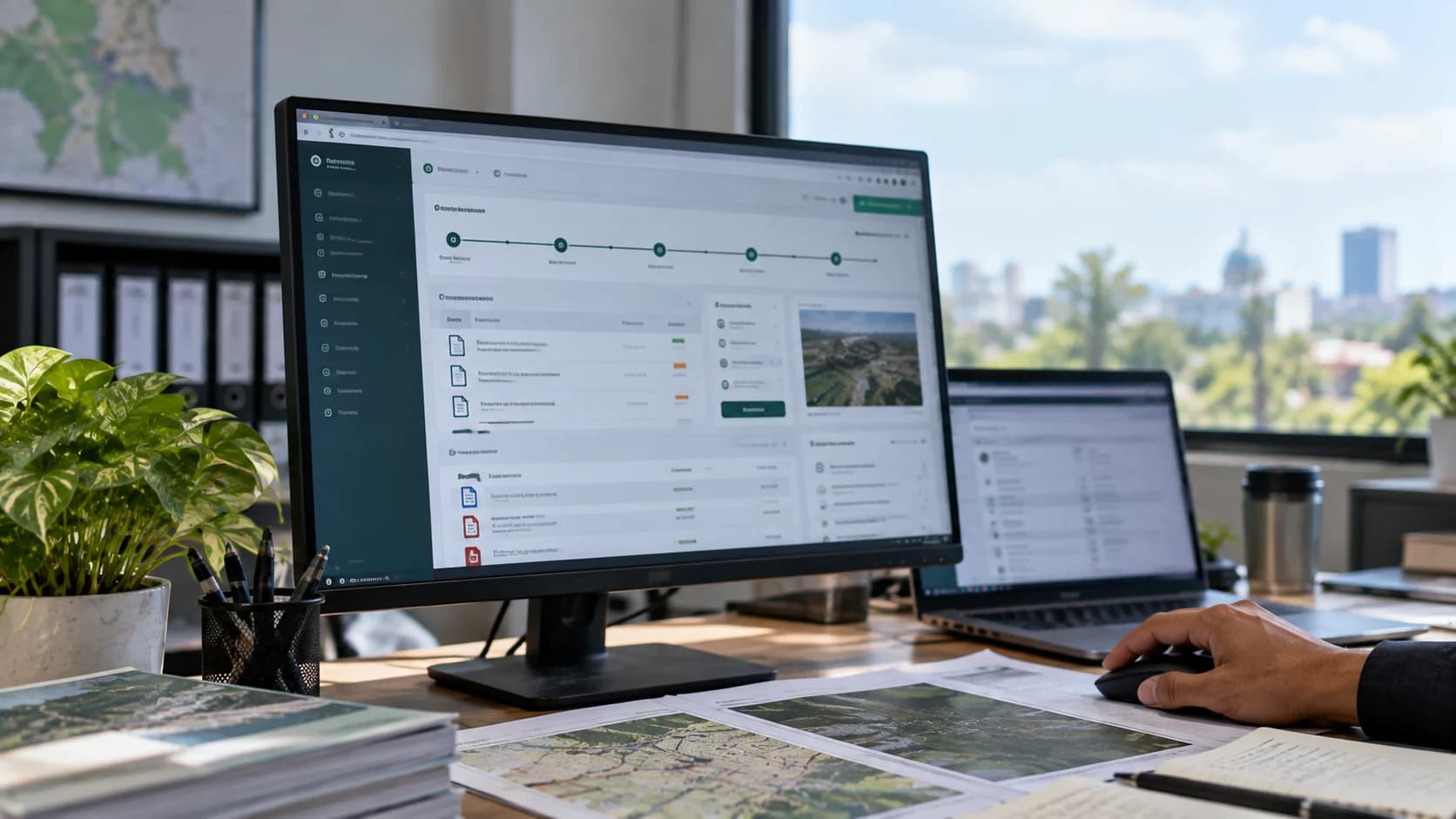
Since GR 28/2025, the entire process of applying for and issuing an Environmental Approval is carried out through the OSS system. Combined with the requirement to use Amdalnet for document assessment, there is no longer any route outside the system.
The upside: the process can be monitored, there is a recorded trail, and treatment becomes more uniform across regions.
The risk: a company that does not hold its own system accounts is operating blind. If everything has been handled by a third party and you have never opened your own OSS account, that is the first thing to fix.
4. Environmental Approval sits among the basic requirements
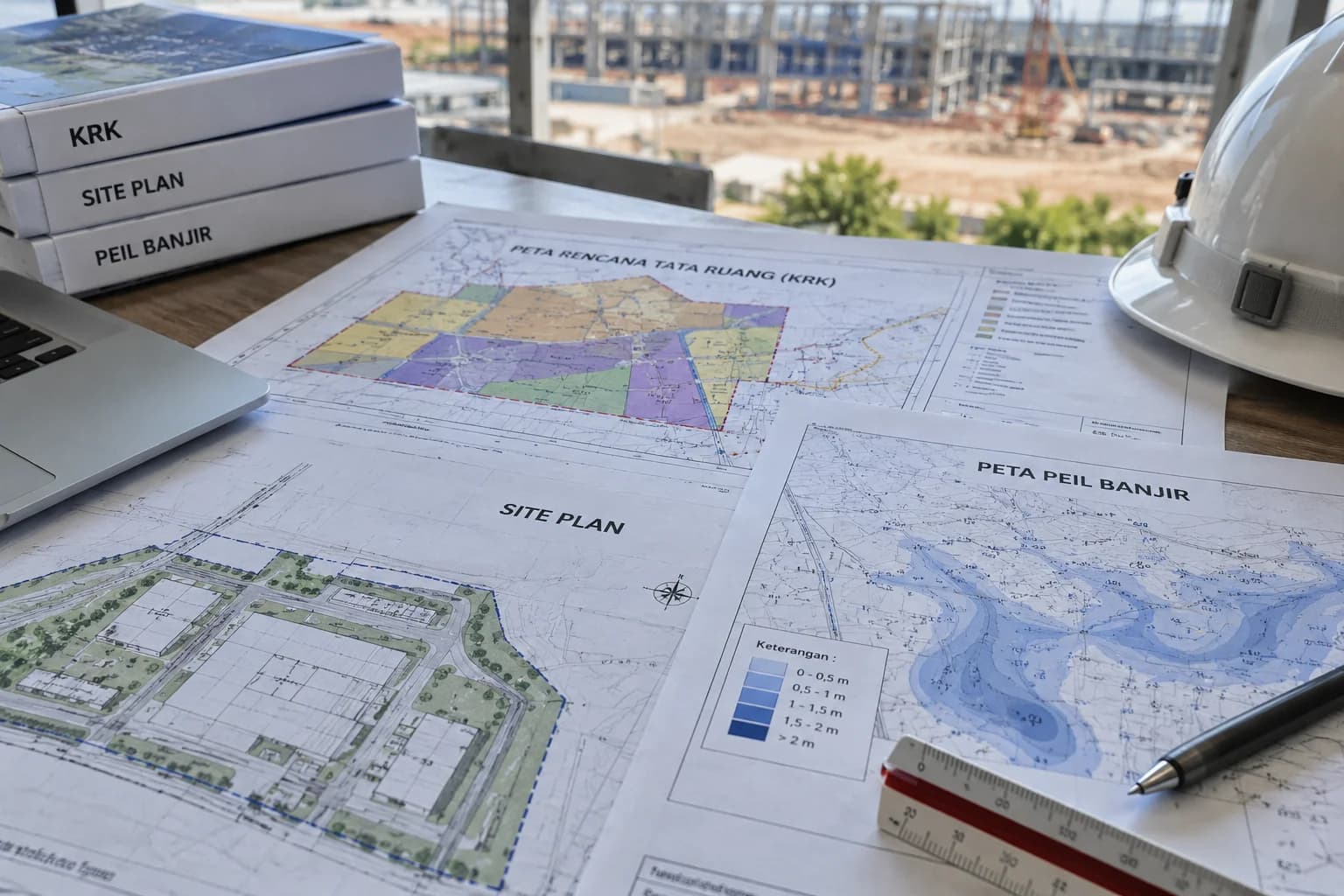
The basic requirements for business licensing cover three things: conformity of spatial use, environmental approval, and building approval.
The three are connected and follow a logical order. Spatial conformity determines whether the activity is permitted at that location. The Environmental Approval sets the conditions for managing its impacts. The building approval covers the structure.
What matters to understand: skipping the order almost always leads to rework. Pursuing building approval before the environmental document is settled means preparing to be asked for a document you do not yet hold.
5. Supervision carries equal weight
The risk-based framework governs not only how a licence is granted but how the activity is supervised afterwards. Supervision intensity follows risk level: the higher the risk, the more frequent and more thorough the oversight.
In other words, obtaining approval is not the finish line. Periodic reporting obligations, fulfilment of the commitments in your management plan, and consistency between actual conditions and your documents are genuinely checked.
What to do now
For activities not yet under way: run the screening as early as possible, before the design is finalised. The result determines your budget and schedule, and knowing it early is far cheaper.
For activities currently in process: make sure your file is inside the system, not merely on someone's desk. Ask for the registration number.
For activities already running: reconcile today's actual conditions against the documents you hold. Capacity, building area, type of activity, waste management. A mismatch you find yourself is far cheaper to resolve than one an inspector finds.
If you would like help reading your company's position under the new framework, send your activity type and licensing status on WhatsApp. We will help map what is already sound and what needs adjusting.